


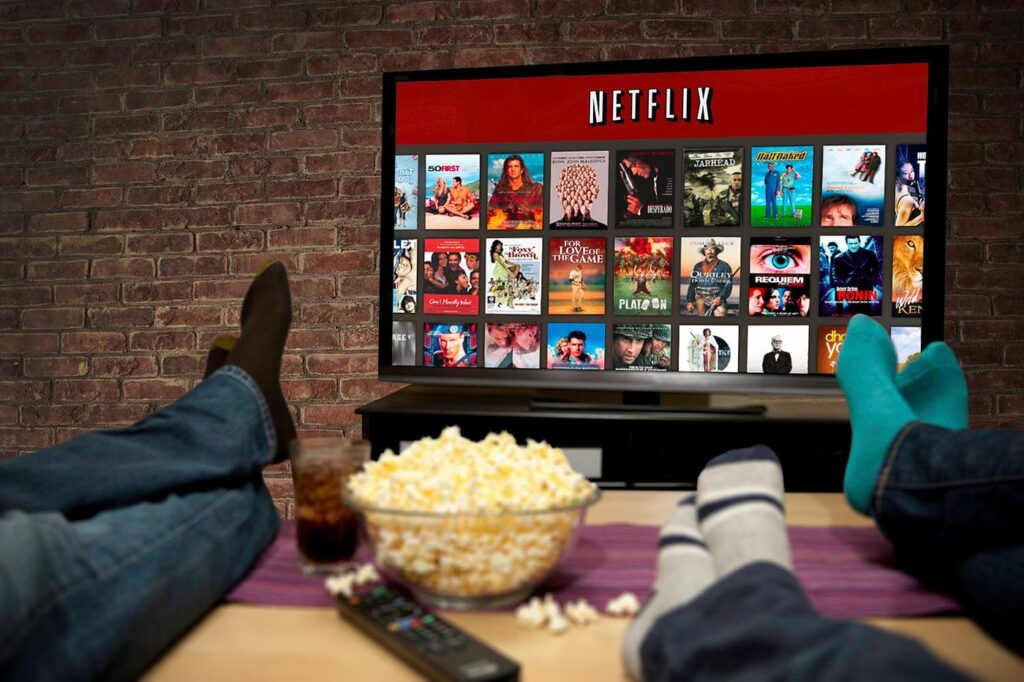
In the last decade, the entertainment industry has undergone a dramatic shift, largely driven by the rapid rise of streaming platforms. What was once a market dominated by traditional television networks, movie theaters, and cable subscriptions is now reshaped by digital platforms such as Netflix, Disney+, Amazon Prime Video, and countless regional services. Streaming has not only changed how audiences consume entertainment but also redefined content creation, marketing strategies, and even global cultural exchange.
The Rise of Streaming Platforms and the Transformation of Entertainment
Convenience and Accessibility
One of the most appealing aspects of streaming platforms is convenience. Audiences no longer need to schedule their lives around a television broadcast or travel to a theater for new releases. Instead, they can access a vast library of movies, series, and documentaries anytime, anywhere, and across multiple devices. This flexibility has made streaming the preferred option for millions worldwide, particularly younger generations who value on-demand content.
The Shift in Viewing Habits
The introduction of binge-watching culture has further cemented the dominance of streaming platforms. Entire seasons of shows are often released at once, allowing audiences to consume content in long, uninterrupted sessions. This has not only changed viewing behavior but also influenced storytelling methods, as creators design narratives that encourage continuous viewing.
Global Reach and Cultural Exchange
Streaming has also broken down geographic barriers in entertainment. Audiences in one country can now instantly access shows and films produced halfway across the world. Popular hits like Squid Game from South Korea or Money Heist from Spain demonstrate the growing appetite for international content. In many cases, these global successes have introduced viewers to new languages, cultures, and perspectives, broadening the scope of entertainment beyond traditional Hollywood productions.

Challenges for Traditional Media
While streaming platforms thrive, traditional television networks, cable providers, and movie theaters face unprecedented challenges. Many networks are struggling to retain viewers, while theaters must compete with the convenience and affordability of home streaming. Some have adapted by offering hybrid models, such as early digital releases alongside theatrical premieres, but the long-term survival of these traditional outlets remains uncertain.
The Future of Streaming
As competition intensifies, streaming platforms are heavily investing in original content, technological improvements, and personalization through AI-driven recommendations. We can also expect to see more niche platforms catering to specific interests, from anime to documentaries. While the industry continues to evolve, one thing is clear: streaming has permanently transformed entertainment into a more accessible, global, and consumer-driven experience.
More Stories from Entertainment

Entertainment