



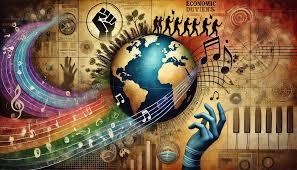
Music has always been a universal language, capable of crossing borders and uniting people regardless of language, background, or geography. In today’s interconnected world, global music trends are more influential than ever, shaping culture, identity, and even international relations.
The Cultural Power of Global Music Trends
The Rise of K-Pop and Asian Music
One of the most remarkable cultural phenomena of recent years is the rise of K-pop. Groups like BTS, BLACKPINK, and EXO have amassed massive global fanbases, not only dominating charts but also promoting Korean culture worldwide. Similarly, J-pop, C-pop, and other Asian music genres are gaining international recognition, challenging Western dominance in the global music industry.
Latin Music’s Global Appeal
Latin music has also become a powerful cultural force. Artists like Bad Bunny, Shakira, and J Balvin have popularized reggaeton, salsa, and Latin pop across the globe. The infectious rhythms and vibrant performances of Latin music resonate with audiences far beyond Spanish-speaking countries, contributing to its growing popularity in mainstream culture.
Streaming and Social Media’s Role
The global spread of music would not be possible without streaming platforms and social media. Services like Spotify, YouTube, and TikTok allow songs to reach millions instantly, often sparking viral trends that catapult tracks to international fame. Social media also empowers fans to create communities around their favorite artists, strengthening global connections.
Music as a Cultural Bridge
Global music trends often serve as cultural bridges, introducing audiences to new traditions and values. For example, fans of K-pop often become interested in Korean language and cuisine, while Latin music enthusiasts may explore Spanish language and Latin American culture. In this way, music plays a vital role in fostering cultural exchange and mutual understanding.

The Future of Global Music
As technology continues to connect the world, the music industry will likely become even more diverse and globally integrated. We can expect to see more cross-genre collaborations, multilingual tracks, and artists who rise to fame through digital-first platforms. Music will remain not only a form of entertainment but also a powerful tool for cultural diplomacy and global unity.