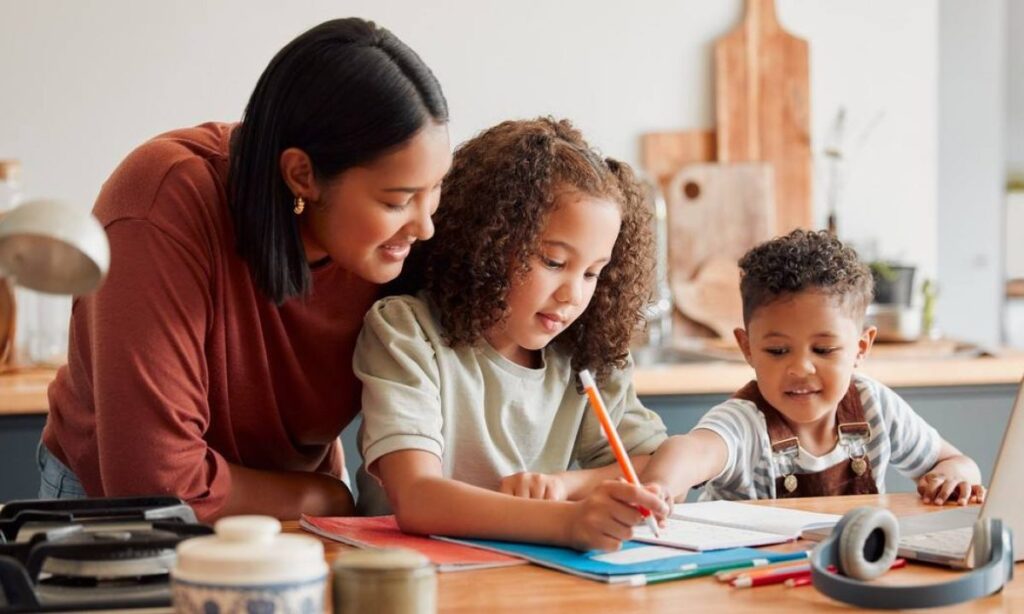



Parenting is more than providing food, shelter, and safety. At its core, it is about shaping the values, character, and mindset of the next generation. The way parents teach their children often defines how these young individuals will grow into adulthood—how they communicate, solve problems, and contribute to society. While there is no universal manual, several principles and methods consistently prove effective in raising confident, responsible, and empathetic children.
1. Teaching by Example
Children are keen observers. More than any lecture, they learn from what they see. A parent who practices kindness, patience, and honesty unconsciously instills these values in their child. If a father demonstrates respect in his daily interactions, the child absorbs respect as a natural way of communication. If a mother remains calm under stress, the child learns resilience. Actions often speak louder than words, and modeling positive behavior is one of the most powerful teaching tools.

2. Setting Clear Expectations
Children thrive when they understand boundaries. Parents who establish clear rules and expectations create an environment of safety and structure. For instance, consistent routines around mealtimes, homework, and bedtime foster discipline. However, it is equally important to explain the reasoning behind rules. Instead of simply saying, “Because I said so,” a thoughtful explanation like, “You need enough sleep to concentrate at school,” helps children internalize the value behind the expectation.
3. Encouraging Independence
Teaching does not mean controlling every action. Parents should gradually encourage children to make their own decisions. Allowing a child to choose what to wear, manage their allowance, or solve small conflicts builds confidence. Mistakes will occur, but these are valuable lessons in problem-solving and responsibility. Over time, the child learns to trust their judgment while knowing they have supportive parents as a safety net.
4. Balancing Discipline and Compassion
Discipline is often misunderstood as punishment. In truth, effective discipline is about guidance rather than control. A calm conversation about why a behavior was inappropriate can be more impactful than harsh words. Compassion in discipline teaches children accountability without damaging their self-esteem. Parents who balance firmness with empathy show children that mistakes are opportunities to learn, not reasons for fear.
5. Fostering Emotional Intelligence
Academic success is important, but emotional intelligence often predicts long-term happiness and success more accurately. Parents can nurture this by teaching children to recognize and express their feelings. For example, instead of dismissing a child’s sadness, acknowledging it with, “I understand you feel upset,” validates their emotions. Encouraging open communication helps children regulate feelings, empathize with others, and build healthy relationships.
6. Integrating Play into Learning
Play is a child’s natural language. Parents who use games, storytelling, and creative activities turn lessons into enjoyable experiences. Reading bedtime stories not only strengthens literacy but also strengthens the parent-child bond. Simple activities like cooking together can teach math, patience, and teamwork. When learning feels like fun, children remain curious and motivated.
7. Adapting to Individual Needs
Every child is unique. Some learn best through visuals, while others respond to hands-on experiences. Parents who pay attention to their child’s temperament and strengths can tailor their teaching methods accordingly. A child who struggles with attention may need shorter study sessions with frequent breaks, while a highly curious child may need extra resources to explore beyond the classroom. Recognizing individuality ensures children feel supported, not pressured to fit a mold.
8. Building a Relationship of Trust
At the heart of teaching is trust. When children feel secure in their relationship with their parents, they are more likely to listen, learn, and seek guidance. Trust grows through consistent care, honest communication, and unconditional love. A child who knows their parents are allies, not just authority figures, will carry that sense of security throughout life.
Conclusion
Parenting is a continuous journey of teaching, guiding, and adapting. The most successful parents do not aim for perfection but for progress—focusing on nurturing a child’s heart, mind, and character. By leading through example, setting clear expectations, balancing discipline with compassion, and fostering independence, parents lay the foundation for a lifetime of growth. Ultimately, the greatest gift a parent can give is not just knowledge, but the confidence and wisdom to use it well.