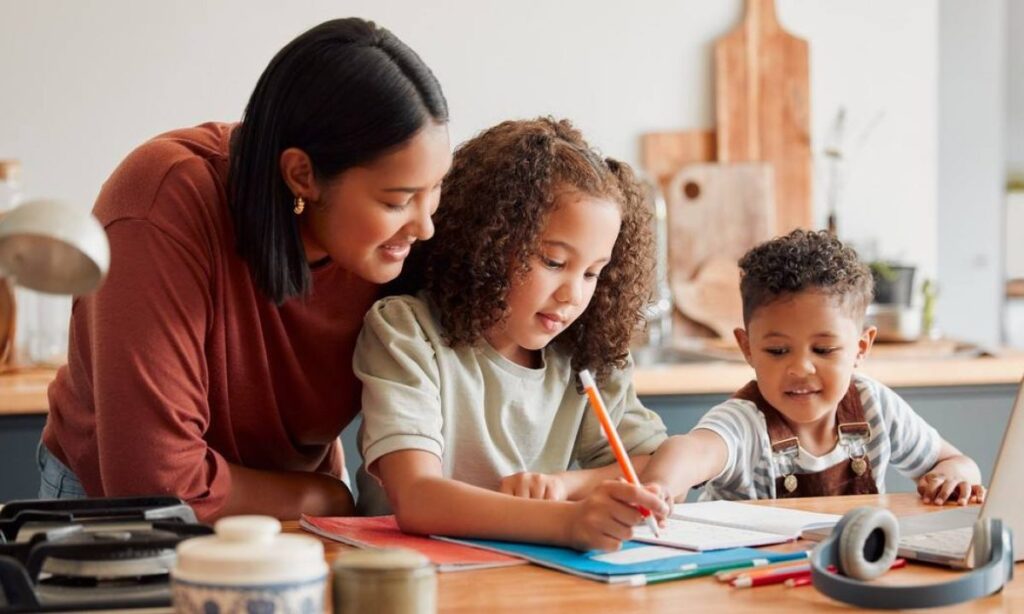


Parenting is often described as the most important job one can ever have. It is not simply about raising a child to survive but about guiding them to thrive—intellectually, emotionally, and socially. How parents teach their children influences not only the child’s academic achievements but also their ability to handle life’s challenges with resilience and grace. By focusing on intentional teaching strategies, parents can prepare their children for a lifetime of learning and responsible citizenship.
Guiding Children Toward Lifelong Learning and Good Values
1. Creating a Positive Learning Environment
A child’s first classroom is their home. Parents who provide a stimulating, encouraging environment inspire a love for learning. This does not require expensive resources—books, puzzles, and everyday conversations can be powerful tools. When parents show genuine curiosity, ask questions, and value discovery, children adopt the same attitude. A home where questions are welcomed and mistakes are treated as part of learning becomes a fertile ground for intellectual growth.

2. Teaching Responsibility Through Daily Routines
Responsibility is not a skill learned in a single lesson—it develops gradually through consistent practice. Parents can instill this by involving children in age-appropriate household tasks. Young children can put away toys, while older ones may help with cooking or taking care of pets. Assigning responsibilities teaches accountability and reinforces the idea that every member contributes to the family’s well-being. Over time, children learn that responsibility is not a burden but a natural part of life.
3. Instilling Core Values
Beyond academics, values shape who children become. Parents are the primary source of moral education, whether consciously or unconsciously. Teaching values such as honesty, respect, kindness, and perseverance can be integrated into daily life. For instance, encouraging a child to apologize after hurting a sibling teaches empathy and accountability. Sharing family traditions or discussing real-life dilemmas helps children see how values guide decision-making. The goal is not perfection but consistency—living the values parents want to pass on.
4. Encouraging Critical Thinking
In today’s fast-changing world, children need more than memorized knowledge—they need critical thinking skills. Parents can cultivate this by asking open-ended questions, encouraging problem-solving, and allowing children to explore multiple perspectives. Instead of giving quick answers, a parent might respond with, “What do you think could work?” This approach helps children build confidence in their reasoning abilities and teaches them that challenges can be solved in different ways.
5. Nurturing Creativity and Curiosity
Children are naturally curious, and creativity is one of the most valuable skills for the future. Parents who nurture creativity encourage their children to imagine, explore, and take risks in a safe environment. Activities like drawing, music, building with blocks, or inventing stories fuel imagination. Even unstructured playtime allows children to think independently and develop original ideas. Supporting creativity ensures that children grow into adults who are adaptable and innovative.

6. Balancing Freedom and Boundaries
One of the greatest challenges for parents is balancing freedom with structure. Children need space to express themselves, but they also require boundaries to feel secure. Too much control can stifle independence, while too much freedom can lead to confusion. A balanced approach involves setting clear rules while allowing room for choice. For example, parents may insist on homework being completed but let the child decide the order in which tasks are done. This balance fosters responsibility while respecting individuality.
7. Building Resilience Through Challenges
Life is full of obstacles, and teaching children resilience is one of the most valuable lessons. Parents can encourage resilience by allowing children to experience setbacks rather than shielding them from every difficulty. Whether it is losing a game, struggling with a school assignment, or handling friendship issues, children who learn to face challenges develop perseverance. Supportive parents guide children to see mistakes not as failures but as opportunities to grow stronger.
8. Communicating With Respect
Communication is the foundation of a strong parent-child relationship. Effective communication involves more than giving instructions—it requires active listening and respectful dialogue. Parents who listen without immediate judgment show their children that their thoughts and feelings matter. Instead of dismissing emotions with phrases like “Don’t be silly,” acknowledging them with empathy fosters trust. Respectful communication builds mutual understanding and strengthens the bond between parent and child.
9. Leading With Love and Patience
At the core of teaching lies love. Parenting is a long journey that demands patience and compassion. Children will make mistakes, test limits, and sometimes resist guidance. However, when parents respond with calmness and unconditional support, they teach their children that love is steady and dependable. This sense of security provides the foundation upon which all other lessons can be built.
Conclusion
The way parents teach their children today shapes the leaders, innovators, and compassionate individuals of tomorrow. By creating nurturing environments, instilling values, encouraging curiosity, and fostering resilience, parents play a pivotal role in preparing their children for life’s challenges. The art of parenting is not about controlling outcomes but about guiding children with wisdom and love so they can discover their fullest potential. When parents embrace this responsibility with intention and care, they not only raise successful children but also contribute to a stronger, kinder society.