


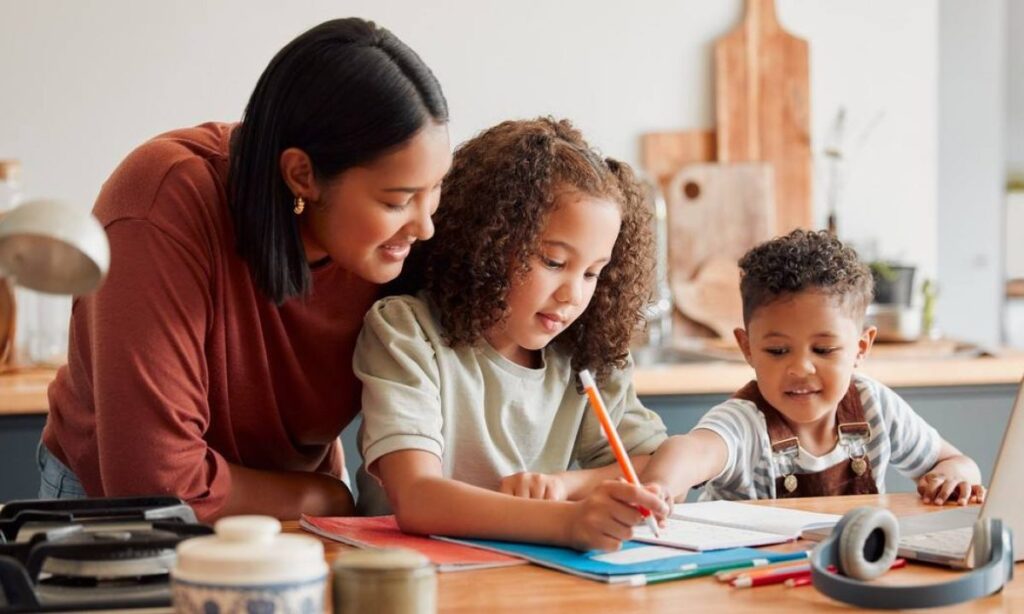
Parenting is often described as a balance between nurturing and guiding, loving and teaching. At its heart, being a parent is about shaping a child’s future—not only by meeting their basic needs but also by instilling values, habits, and life skills that will carry them into adulthood. Every moment, from bedtime stories to conversations at the dinner table, provides opportunities for parents to teach. The challenge lies in making these lessons meaningful, consistent, and adaptable to the child’s growth.
Parenting as a Lifelong Teaching Journey
1. Understanding the Role of Parents as Teachers
Parents are a child’s first and most influential teachers. Long before children enter formal education, they observe and imitate their parents’ behavior. How parents handle stress, interact with others, and make decisions leaves lasting impressions. Recognizing this role encourages parents to be intentional in their actions and words. By modeling patience, kindness, and resilience, parents teach far more effectively than through lectures alone.

2. Building Character Through Everyday Actions
Children learn character not through abstract discussions but through lived experiences. Simple actions—like greeting neighbors politely, helping a friend in need, or expressing gratitude—demonstrate values in real time. Parents can strengthen these lessons by explaining the reasons behind them. Saying “We thank people because it shows respect for their effort” helps children connect values with daily life. Over time, these repeated experiences shape habits and moral foundations.
3. Encouraging Lifelong Learning
Education extends beyond school walls. Parents who emphasize curiosity and critical thinking cultivate a mindset of lifelong learning. Asking questions during nature walks, exploring science experiments at home, or discussing world events all stimulate intellectual growth. Importantly, parents should celebrate effort rather than perfection. Acknowledging a child’s persistence—“I’m proud of how hard you tried”—encourages resilience and a growth mindset, both essential for lifelong success.
4. Teaching Self-Discipline and Responsibility
Self-discipline is a cornerstone of personal achievement. Parents can nurture this trait by setting routines and expectations. Whether it is completing homework before play or saving part of an allowance, consistent practice teaches children to manage impulses and prioritize responsibilities. Importantly, parents should allow natural consequences when appropriate. If a child forgets to pack their homework, experiencing the teacher’s response is a powerful lesson in accountability.
5. Supporting Emotional Development
Academic skills alone are not enough; emotional intelligence plays an equally vital role in success and happiness. Parents can foster emotional growth by helping children identify and manage their feelings. Instead of dismissing emotions like anger or sadness, guiding children to express them constructively builds self-awareness and empathy. Phrases such as, “I understand you’re upset—let’s talk about it,” teach children that emotions are valid and manageable. This foundation enables them to navigate relationships with confidence and compassion.

6. Encouraging Independence With Guidance
A critical part of parenting is gradually preparing children to stand on their own. Encouraging independence does not mean abandoning guidance—it means offering opportunities to make choices within safe limits. Allowing children to plan their day, prepare simple meals, or manage small budgets fosters decision-making skills. Parents remain nearby to provide support, but the space to try and fail builds confidence. Over time, this balance between freedom and safety equips children for adult responsibilities.
7. Teaching Through Challenges
Life inevitably brings difficulties, and these moments become powerful teaching opportunities. Parents who help children face setbacks with courage and determination impart resilience. Instead of rushing to fix every problem, guiding children through problem-solving processes is more effective. Asking, “What could you try differently next time?” shifts the focus from failure to growth. These lessons in perseverance prepare children to tackle future challenges with strength and optimism.
8. Cultivating Respect and Empathy
Respect is one of the most fundamental values children can learn. Parents teach it by showing respect themselves—toward children, partners, and others. Listening attentively, using polite language, and acknowledging different perspectives demonstrate empathy in action. Encouraging children to consider how others feel deepens their emotional awareness. When parents create an environment of respect at home, children carry these values into friendships, classrooms, and eventually workplaces.
9. Adapting as Children Grow
One of the greatest challenges of parenting is adapting teaching styles to different stages of development. A toddler needs simple rules and routines, while a teenager requires more dialogue and independence. Parents who remain flexible, adjusting expectations and communication methods, show children that growth is a continuous process. Adaptability ensures that the parent-child relationship evolves positively, fostering trust and mutual respect throughout the years.
Conclusion
Parenting is not a one-time lesson but a lifelong journey of teaching and learning together. By modeling strong values, encouraging curiosity, fostering independence, and guiding children through challenges, parents equip them with the tools to succeed in life. The most powerful lessons are not delivered in formal lectures but in everyday interactions filled with patience, love, and intentionality. Ultimately, the true measure of successful parenting is not just in raising well-behaved children, but in nurturing thoughtful, resilient, and compassionate adults who contribute positively to the world.