


For many people, losing weight is about improving health, boosting confidence, and feeling more energetic. However, one concern that is often overlooked is how weight loss can affect the skin. Rapid dieting, poor nutrition, and unhealthy habits may result in dry skin, loss of elasticity, dullness, and even premature aging. The good news is that sustainable weight management and beautiful skin can go hand in hand.
By adopting a balanced lifestyle that supports both your metabolism and your skin, you can achieve a healthier body while maintaining a radiant, youthful complexion. True beauty comes from nourishing your body from within rather than relying on temporary solutions.
Why Healthy Weight Loss Matters
Not all weight loss methods produce the same results.
Crash diets may lead to quick reductions on the scale, but they often cause muscle loss, nutritional deficiencies, and dehydration. These changes can negatively affect collagen production and reduce the skin’s ability to remain firm and hydrated.
Healthy weight loss, on the other hand, focuses on gradual progress through balanced nutrition, regular physical activity, and long-term lifestyle changes. This approach gives the skin enough time to adjust while supporting overall health.
Losing weight slowly also makes it easier to maintain results over time.
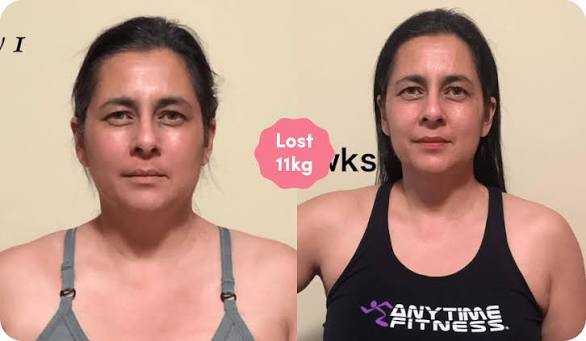
The Connection Between Skin and Nutrition
Your skin reflects what happens inside your body.
Every day, new skin cells are created using nutrients obtained from your diet. Without adequate protein, vitamins, minerals, and healthy fats, skin regeneration becomes less efficient.
A balanced diet rich in whole foods supports collagen production, strengthens the skin barrier, improves hydration, and helps reduce inflammation.
Instead of focusing only on calorie reduction, prioritize nutrient density. Foods that nourish your body also nourish your skin.
Protein Preserves Muscle and Supports Collagen
Protein is essential during any weight-loss journey.
When calorie intake decreases, the body may break down muscle tissue if sufficient protein is unavailable. Losing muscle not only slows metabolism but may also contribute to a less toned appearance.
Protein also supplies amino acids that are required for collagen synthesis. Healthy collagen helps maintain firm, resilient skin and reduces the appearance of fine lines.
Excellent sources include fish, chicken, eggs, Greek yogurt, beans, lentils, tofu, cottage cheese, and lean meat.
Including protein in every meal helps support satiety while preserving lean body mass.
Read more: How Stress Affects Your Skin and Weight: Simple Ways to Restore Your Health Naturally
Healthy Fats Are Essential for Glowing Skin
Many people mistakenly avoid dietary fat while trying to lose weight.
Healthy fats are actually necessary for maintaining the skin barrier and reducing inflammation. Without enough essential fatty acids, skin may become dry, irritated, and more prone to premature aging.
Foods such as salmon, avocado, walnuts, flaxseeds, chia seeds, olive oil, and almonds provide beneficial fats that promote smooth, hydrated skin.
These healthy fats also increase satisfaction after meals, making healthy eating easier to maintain.
Hydration Supports Both Metabolism and Skin
Proper hydration is one of the simplest yet most effective beauty habits.
Water plays a role in digestion, circulation, nutrient transport, and temperature regulation. Well-hydrated skin appears softer, smoother, and more luminous than dehydrated skin.
Although moisturisers protect the skin externally, drinking sufficient water helps maintain normal body function and supports healthy skin from within.
Water-rich foods including cucumbers, watermelon, oranges, strawberries, celery, and tomatoes further contribute to daily hydration.
Exercise Improves More Than Weight
Physical activity offers remarkable benefits for both appearance and overall health.
Exercise increases circulation, allowing oxygen and nutrients to reach skin cells more efficiently. Better blood flow supports collagen production and enhances the skin’s natural repair process.
Strength training helps preserve muscle while reducing body fat, creating a firmer and healthier physique. Cardiovascular exercise supports heart health, endurance, and calorie expenditure.
Regular movement also stimulates the release of endorphins, reducing stress while improving mood and confidence.
Consistency is far more valuable than occasional intense workouts.
Build a Skincare Routine That Complements Weight Loss
As your body changes, your skin deserves extra attention.
Begin with a gentle cleanser that removes impurities without disrupting the skin barrier.
Hydrating ingredients such as hyaluronic acid and glycerin replenish moisture, while ceramides strengthen the protective barrier that prevents water loss.
Vitamin C supports collagen production while brightening uneven skin tone.
Daily sunscreen protects collagen against ultraviolet damage and helps prevent premature wrinkles and pigmentation.
Simple, consistent skincare often delivers better results than complicated routines filled with unnecessary products.
Sleep Helps the Body Recover
Sleep is one of the most underrated aspects of both healthy weight management and skincare.
During deep sleep, the body repairs damaged tissues, produces growth hormones, and supports collagen synthesis. Sleep also regulates hormones involved in appetite control.
Insufficient sleep may increase hunger, reduce motivation to exercise, and contribute to dull skin, puffiness, and dark circles.
Most adults benefit from seven to nine hours of quality sleep each night.
Creating a consistent bedtime routine supports both physical recovery and healthier-looking skin.
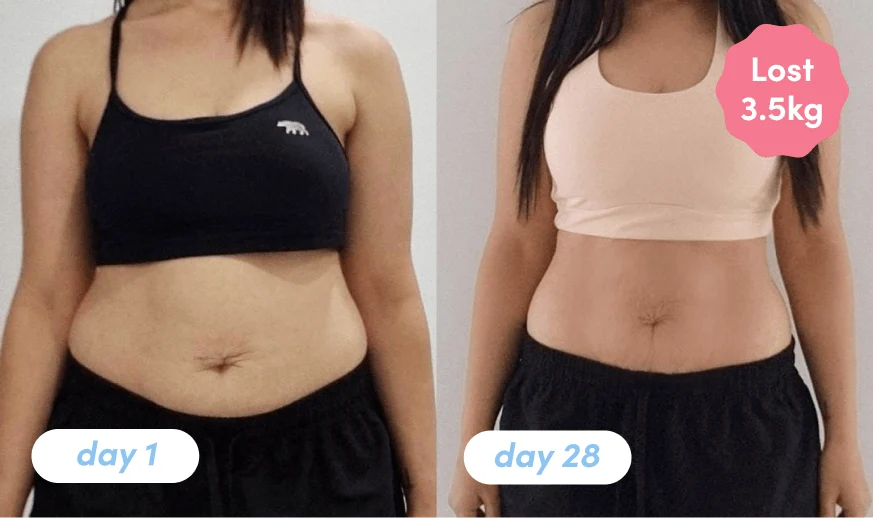
Avoid Common Weight-Loss Mistakes
Many people unintentionally damage their skin while trying to lose weight.
Extreme calorie restriction often reduces protein, vitamins, and healthy fats that are essential for collagen production.
Skipping meals may lead to unstable blood sugar levels and overeating later in the day.
Over-exercising without proper recovery increases physical stress, potentially affecting both skin health and overall well-being.
Trying to lose weight too quickly may also increase the likelihood of loose skin, particularly after significant weight reduction.
Healthy progress requires patience and realistic expectations.
Read more: The Complete Guide to Anti-Aging Skincare: How to Keep Your Skin Looking Younger Naturally
A Lifestyle That Supports Lasting Beauty
Healthy skin and healthy weight are not separate goals—they complement each other. A lifestyle built around balanced nutrition, regular exercise, proper hydration, quality sleep, stress management, and consistent skincare creates lasting improvements that go far beyond appearance.
Rather than chasing rapid transformations or following restrictive diets, focus on building habits that you can maintain throughout your life. Every nutritious meal, every workout, every glass of water, and every application of sunscreen contributes to stronger skin and better overall health.
When you care for your body from the inside and protect your skin from the outside, you create the perfect balance between beauty and wellness. The result is not only a healthier figure but also naturally glowing skin, greater confidence, and a sustainable approach to long-term well-being.