


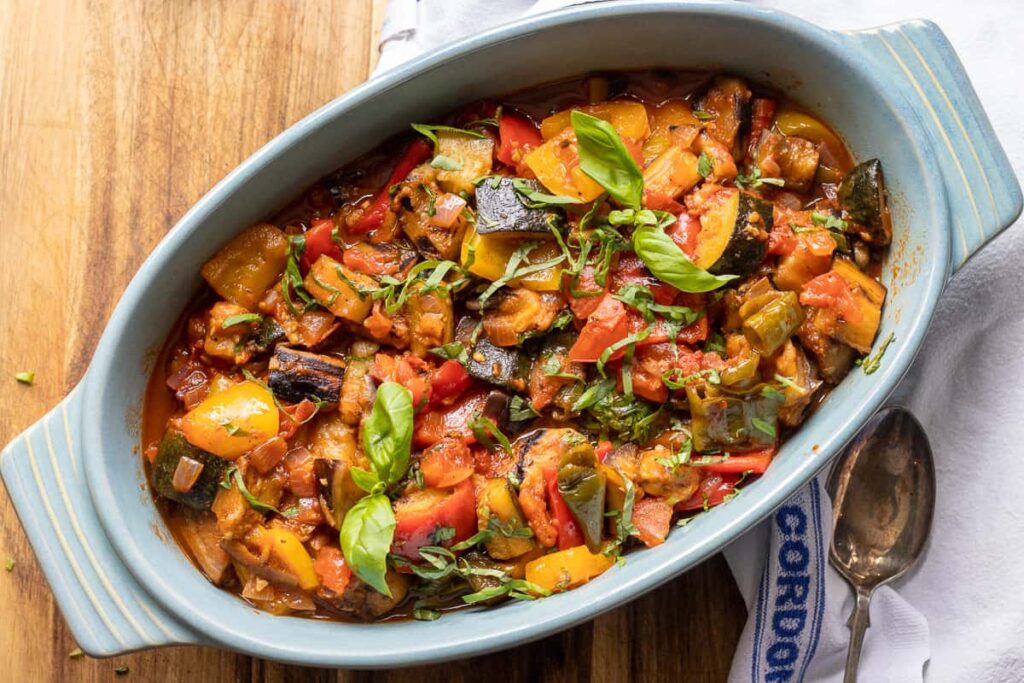
French cuisine is admired worldwide for its refinement and artistry, yet some of its most iconic dishes are rooted in rustic simplicity. Ratatouille, a traditional Provençal vegetable stew, exemplifies this beautifully. Originating in the South of France, particularly Nice, this dish transforms humble ingredients into a vibrant and flavorful celebration of the Mediterranean harvest. With its balance of textures, aromas, and colors, ratatouille embodies the heart of French home cooking while remaining elegant enough for fine dining.
Classic French Ratatouille – A Celebration of Provençal Flavors
The Origins of Ratatouille
The word “ratatouille” comes from the French verb touiller, meaning “to stir.” Historically, it was a humble dish prepared by farmers during the summer months, using an abundance of seasonal vegetables such as tomatoes, eggplants, zucchinis, and bell peppers. Over time, ratatouille has evolved from a simple peasant stew into a symbol of Provençal cuisine, celebrated in both home kitchens and Michelin-starred restaurants.
Today, there are two main styles: the traditional rustic method, where vegetables are stewed together, and the more refined presentation, where thinly sliced vegetables are arranged beautifully in layers, popularized by modern chefs and even the famous animated film Ratatouille.
Ingredients for Authentic Ratatouille (4–6 servings)
-
2 medium eggplants
-
2 zucchinis
-
2 yellow squashes
-
2 red bell peppers
-
1 large onion
-
4 ripe tomatoes
-
4 cloves garlic, minced
-
4 tablespoons olive oil (extra virgin preferred)
-
1 teaspoon fresh thyme leaves (or ½ teaspoon dried)
-
1 sprig fresh rosemary
-
A handful of fresh basil leaves
-
Salt and freshly ground black pepper, to taste
Step-by-Step Preparation
1. Prepare the Vegetables
Cut the eggplants, zucchinis, and squashes into half-moon slices. Dice the bell peppers and onions into even pieces. Roughly chop the tomatoes, keeping their juices. A key to successful ratatouille is ensuring the vegetables are similar in size for even cooking.
2. Cook Each Vegetable Separately
To maintain texture and flavor, sauté each vegetable in olive oil individually before combining. Start with eggplant, followed by zucchini, squash, peppers, and onion. Cooking separately prevents the dish from becoming mushy and allows each ingredient to shine.
3. Combine and Simmer
In a large pot, add the sautéed vegetables along with tomatoes, garlic, thyme, and rosemary. Season with salt and pepper. Cover and simmer gently for about 30 minutes, stirring occasionally, until the vegetables are tender but not overcooked.
4. Finish with Fresh Herbs
Before serving, remove the rosemary sprig and stir in fresh basil leaves. The basil adds a burst of freshness that balances the richness of the stew.
Alternative Presentation – Layered Ratatouille
For a more refined version, thinly slice eggplants, zucchinis, squash, and tomatoes. Arrange them in alternating layers in a baking dish over a base of tomato sauce infused with garlic and herbs. Drizzle with olive oil, season with salt and pepper, and bake at 180°C (350°F) for about 45 minutes until tender. This method produces a visually stunning dish perfect for special occasions.

Serving Suggestions
Ratatouille is incredibly versatile. It can be served:
-
As a main dish with crusty French bread or over couscous.
-
As a side dish with grilled fish, roasted chicken, or lamb.
-
As a topping for pasta, rice, or even pizza.
-
Chilled, as a refreshing summer salad.
Its adaptability makes it a wonderful addition to any meal plan, from casual lunches to elegant dinner parties.
Nutritional Value
Ratatouille is not only delicious but also highly nutritious. Packed with fiber, vitamins, and antioxidants from fresh vegetables, it supports a balanced diet. Olive oil contributes heart-healthy fats, while garlic and herbs provide anti-inflammatory benefits. Low in calories yet full of flavor, ratatouille is a perfect option for health-conscious individuals.
Cooking Tips for Perfect Ratatouille
-
Season gradually: Add salt and pepper in stages to ensure balanced flavor.
-
Use ripe vegetables: The freshness of produce directly impacts taste.
-
Don’t rush: Allow the vegetables to simmer gently for depth of flavor.
-
Experiment with herbs: In addition to thyme and basil, oregano or herbes de Provence can add complexity.
Ratatouille in Modern Cuisine
While ratatouille remains a symbol of rustic French cooking, it has found its way into fine dining and global culinary culture. Chefs experiment by pairing it with poached eggs for brunch, blending it into sauces, or serving it as a refined appetizer. Its appearance in popular culture has also boosted its recognition, making it one of the most celebrated vegetable dishes worldwide.
Conclusion
At its core, ratatouille represents the beauty of simple ingredients transformed with care and patience. Whether prepared in the rustic Provençal style or as an elegant layered dish, it showcases the essence of Mediterranean flavors—freshness, vibrancy, and balance. Cooking ratatouille at home is more than following a recipe; it is an invitation to embrace the French philosophy of appreciating seasonal produce and enjoying the pleasures of the table.
With its colorful presentation, nutritional benefits, and versatility, ratatouille is not just a dish—it is a celebration of life in Provence, brought to your kitchen in every delightful spoonful.
More Stories from Food & Recipes
Food & Recipes
Traditional Japanese Ramen – A Bowl of Comfort and Culture
Food & Recipes