


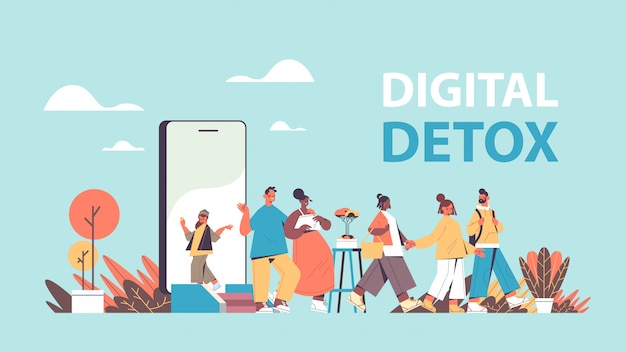
Screens dominate modern life. From smartphones and laptops to televisions, many people spend more than half their day in front of digital devices. While technology is essential for work and connection, excessive screen time can negatively impact physical health, mental clarity, and social relationships. A digital detox—periodically reducing or limiting screen exposure—offers measurable benefits.
Digital Detox – How Limiting Screen Time Improves Your Health
1. Protecting Eye Health
Prolonged exposure to screens leads to digital eye strain, characterized by headaches, blurred vision, and dry eyes. To prevent this, experts recommend the 20-20-20 rule: every 20 minutes, look at an object 20 feet away for 20 seconds. Adjusting device brightness and using blue-light filters also minimizes strain. Over time, these practices protect eye function and reduce the risk of long-term issues like myopia progression.
2. Improving Sleep Quality
Blue light emitted by devices disrupts the production of melatonin, the hormone responsible for regulating sleep cycles. Checking phones or laptops before bed can delay sleep and lower sleep quality. A digital detox, particularly during the evening, allows the brain to wind down naturally. Replacing screen time with reading, meditation, or light stretching promotes deeper, restorative sleep.
3. Reducing Stress and Enhancing Mental Clarity
Constant notifications and social media updates create information overload, raising stress and anxiety. Limiting screen time provides mental space to process thoughts, focus on important tasks, and restore calm. Setting “device-free zones” at home or scheduling no-phone hours in the evening helps create a balanced relationship with technology.
4. Encouraging Physical Activity and Productivity
Time spent on screens often replaces time for movement or creative activities. A digital detox frees up hours that can be invested in walking, exercising, cooking healthy meals, or learning new skills. Physically, this shift supports cardiovascular health and weight management. Mentally, it encourages productivity and personal growth.

5. Strengthening Real-Life Connections
Over-reliance on digital communication may weaken personal relationships. Reducing screen time opens opportunities for face-to-face conversations, shared meals, and meaningful interactions. Strong social connections contribute to emotional resilience and long-term happiness.
Conclusion
A digital detox is not about abandoning technology altogether but about using it more intentionally. By reducing screen time, you protect your eyes, improve sleep, lower stress, stay active, and nurture real-life relationships. In a technology-driven world, balance is key—the healthier your digital habits, the healthier your life.
More Stories from Health & Wellness

Health & Wellness
Natural Ways to Strengthen Your Immune System

Health & Wellness