

Healthy, glowing skin is often considered a sign of overall wellness. However, many people struggle with a dull complexion despite investing in expensive skincare products. If your skin appears tired, uneven, or lacks its natural radiance, the problem may not lie in your cosmetics alone. Lifestyle habits, nutrition, hydration, sleep, stress, and environmental exposure all influence how your skin looks and feels.
Fortunately, dull skin is usually reversible. By understanding the underlying causes and adopting a comprehensive approach to skincare and healthy living, you can restore a brighter, smoother, and more youthful complexion.
What Causes Dull Skin?
Skin naturally renews itself approximately every four weeks. During this process, old skin cells are replaced by new ones. When dead skin cells accumulate on the surface instead of shedding properly, the complexion begins to appear rough, uneven, and lifeless.
Several internal and external factors can contribute to this condition.
Dehydration is one of the most common causes. Without sufficient moisture, the skin loses its plump appearance and reflects less light, making it look flat and tired.
Sun exposure gradually damages collagen, weakens the skin barrier, and creates uneven pigmentation that reduces overall brightness.
Poor sleep slows overnight skin repair, while chronic stress increases inflammation that may trigger acne, redness, or sensitivity.
Air pollution exposes the skin to free radicals that accelerate premature aging, while smoking decreases blood circulation, reducing oxygen delivery to skin cells.
An unbalanced diet lacking vitamins, antioxidants, healthy fats, and protein may also interfere with healthy skin regeneration.

The Importance of Skin Cell Renewal
Healthy skin depends on efficient cell turnover.
As we age, natural skin renewal gradually slows down. Younger skin replaces old cells quickly, resulting in a smooth and radiant complexion. In contrast, mature skin often retains dead skin cells for longer periods, leading to rough texture and visible dullness.
Supporting natural skin renewal requires gentle exfoliation combined with proper hydration and barrier repair.
Rather than aggressively removing dead skin through harsh scrubs, modern skincare emphasizes balanced exfoliation that encourages healthy regeneration without damaging the skin.
Read more: The Ultimate Morning Skincare Routine for Healthy, Glowing Skin
Hydration Is the Foundation of Radiant Skin
Many people confuse dry skin with dehydrated skin.
Dry skin lacks natural oils, while dehydrated skin lacks water. Even oily skin can become dehydrated if the skin barrier is compromised.
Hydrating ingredients such as hyaluronic acid, glycerin, panthenol, and aloe vera attract water into the skin, improving elasticity and creating a naturally luminous appearance.
Following hydration with a moisturizer containing ceramides, squalane, or fatty acids helps seal moisture into the skin while reinforcing its protective barrier.
Consistent hydration both inside and outside the body plays a significant role in maintaining healthy skin.
Nutrition That Brightens Your Complexion
Beautiful skin begins with healthy nutrition.
Vitamin C supports collagen production while protecting skin cells from oxidative stress. Fruits such as oranges, kiwi, strawberries, and berries provide abundant amounts of this powerful antioxidant.
Vitamin A encourages healthy skin renewal and is naturally found in carrots, sweet potatoes, spinach, and kale.
Omega-3 fatty acids from salmon, walnuts, chia seeds, and flaxseeds strengthen the skin barrier while reducing inflammation.
Protein provides amino acids required for collagen formation, helping maintain firm and resilient skin during both aging and weight management.
A balanced diet rich in colorful vegetables, whole grains, healthy fats, and lean proteins supports a brighter complexion from within.
Why Sleep Is Essential for Skin Health
The term “beauty sleep” exists for good reason.
During sleep, the body increases blood flow to the skin while producing growth hormones that support collagen synthesis and tissue repair. Poor sleep reduces this natural recovery process, often leading to dullness, dark circles, puffiness, and reduced skin elasticity.
Adults should aim for seven to nine hours of quality sleep each night while maintaining a consistent sleep schedule whenever possible.
Improving sleep quality often produces visible skin improvements within just a few weeks.
Exercise Helps Your Skin Glow
Regular physical activity benefits far more than body weight.
Exercise improves circulation, allowing oxygen and nutrients to reach skin cells more efficiently. Better blood flow supports collagen production while encouraging healthy cell turnover.
Sweating also helps remove impurities from pores, although cleansing the skin after exercise is important to prevent clogged pores and breakouts.
Combining cardiovascular exercise with strength training supports healthy weight management while preserving muscle tone that contributes to a youthful appearance.
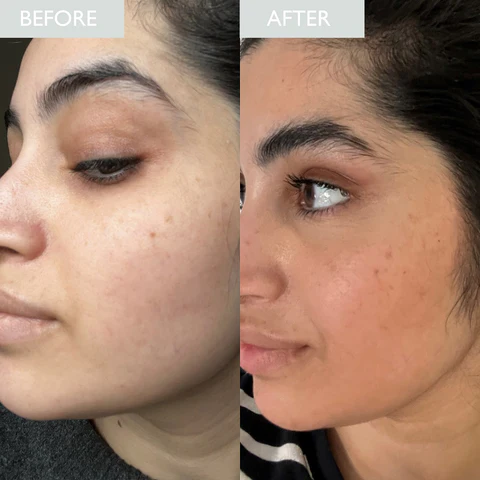
Build a Simple Brightening Skincare Routine
An effective skincare routine does not need to be complicated.
Begin with a gentle cleanser that removes dirt, excess oil, and pollution without disrupting the skin barrier.
Apply a hydrating serum containing hyaluronic acid to replenish moisture before using an antioxidant serum with vitamin C to brighten the complexion and protect against environmental damage.
Moisturize daily using ingredients such as ceramides, niacinamide, peptides, or squalane to strengthen the skin barrier and improve hydration.
Finally, apply broad-spectrum sunscreen with SPF 30 or higher every morning. Sunscreen remains one of the most effective products for preventing pigmentation and preserving youthful skin.
Read more: Collagen and Skin Health: Everything You Need to Know for Youthful, Glowing Skin
Common Mistakes That Make Skin Look Worse
Many people unknowingly damage their skin while trying to improve it.
Over-exfoliating with harsh scrubs or strong acids may weaken the skin barrier and increase irritation.
Frequently changing skincare products prevents the skin from adapting and may trigger sensitivity.
Skipping moisturizer because of oily skin often leads to increased oil production as the skin attempts to compensate for moisture loss.
Neglecting sunscreen allows ultraviolet damage to continue regardless of how many expensive serums are used.
Consistency always produces better results than constantly following new beauty trends.
The Secret to Naturally Radiant Skin
Glowing skin is not created by a single miracle product. Instead, it reflects the combined effects of healthy nutrition, proper hydration, consistent skincare, regular exercise, adequate sleep, stress management, and daily sun protection.
When your body receives the nutrients it needs and your skin barrier remains strong, your complexion naturally becomes brighter, smoother, and healthier.
Rather than searching for overnight transformations, focus on developing sustainable habits that nourish your skin every day. Over time, these simple lifestyle choices will not only improve your appearance but also support long-term skin health, healthy aging, and overall well-being.