


Few dishes embody the spirit of Japanese cuisine like a steaming bowl of ramen. Though its origins trace back to Chinese noodle soups, ramen has evolved into one of Japan’s most beloved and iconic foods. Each bowl tells a story of regional flavors, careful craftsmanship, and the deep cultural appreciation for food as comfort and nourishment. Preparing ramen at home might seem daunting, but with patience and the right ingredients, you can bring the flavors of Tokyo, Sapporo, or Hakata into your own kitchen.
Traditional Japanese Ramen – A Bowl of Comfort and Culture
A Brief History of Ramen
Introduced to Japan in the late 19th century, ramen began as a simple noodle soup served by Chinese immigrants. Over time, Japanese chefs adapted it with local ingredients and cooking styles, eventually creating distinct regional varieties. Today, ramen is not only a quick meal for busy students but also a gourmet experience celebrated worldwide. Some chefs dedicate their careers to perfecting the balance of broth, noodles, and toppings.
Key Components of Ramen
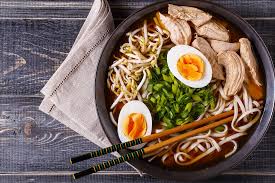
A bowl of ramen is built upon three essential elements: the broth, the noodles, and the toppings.
1. The Broth
The soul of ramen lies in its broth. Popular styles include:
-
Shoyu (soy sauce-based): Savory, clear, and slightly salty.
-
Shio (salt-based): Light and delicate with a subtle seafood influence.
-
Miso: Rich and hearty, often associated with Hokkaido.
-
Tonkotsu (pork bone-based): Creamy, full-bodied, and deeply flavorful, originating from Kyushu.
2. The Noodles
Ramen noodles are typically made from wheat flour, salt, water, and kansui (an alkaline mineral water that gives them their characteristic chewiness). Thin and straight or thick and curly, the choice of noodle often complements the broth style.
3. The Toppings
Traditional garnishes elevate ramen into a balanced meal. Common toppings include:
-
Chashu (braised pork belly)
-
Ajitsuke tamago (soft-boiled marinated egg)
-
Menma (fermented bamboo shoots)
-
Nori (dried seaweed)
-
Scallions, corn, or bean sprouts
Ingredients for Homemade Shoyu Ramen (4 servings)
For the Broth:
-
8 cups chicken or pork stock
-
½ cup soy sauce
-
2 tablespoons mirin (sweet rice wine)
-
1 tablespoon sake
-
2 cloves garlic, crushed
-
1-inch piece fresh ginger, sliced
-
1 piece kombu (dried kelp)
For the Noodles:
-
400 grams fresh ramen noodles (store-bought or homemade)
Toppings:
-
4 slices chashu pork (optional)
-
4 soft-boiled eggs, marinated in soy sauce
-
4 sheets nori
-
Scallions, finely sliced
-
Bean sprouts or corn (optional)
Step-by-Step Preparation
1. Make the Broth
In a large pot, combine stock, soy sauce, mirin, sake, garlic, ginger, and kombu. Simmer gently for 30–40 minutes. Strain the liquid and keep warm. The result should be a balanced broth: savory, slightly sweet, and aromatic.
2. Prepare the Noodles
Cook the fresh ramen noodles according to package instructions, usually 2–3 minutes. Drain quickly and avoid rinsing, as you want the broth to cling to the noodles.
3. Assemble the Bowl
Divide the noodles into four large bowls. Ladle the hot broth over them. Arrange toppings such as chashu, soft-boiled egg, scallions, and nori neatly on top.
4. Serve Immediately
Ramen should be enjoyed piping hot. Encourage guests to slurp the noodles—a cultural practice in Japan that enhances flavor and shows appreciation.
Variations to Explore
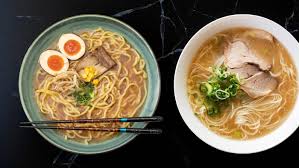
Once comfortable with shoyu ramen, try experimenting with other regional variations:
-
Sapporo Miso Ramen: Rich broth enhanced with miso paste and butter, often served with corn.
-
Hakata Tonkotsu Ramen: Creamy pork bone broth, thin noodles, and bold garlic flavor.
-
Tokyo Shoyu Ramen: A slightly sweeter soy sauce broth, sometimes with fish stock.
Each region in Japan takes pride in its local ramen style, making it a fascinating culinary journey.
Nutritional Value
Ramen can range from light and healthy to rich and indulgent depending on the broth and toppings. A homemade shoyu ramen offers protein from the egg and pork, vitamins from vegetables, and energy from the noodles. Moderation is key, as the sodium content can be high due to soy sauce.
Cooking Tips for Perfect Ramen
-
Use fresh noodles whenever possible; instant noodles cannot replicate the authentic texture.
-
Allow the broth to simmer gently—never boil vigorously—as this can create bitterness.
-
Marinate soft-boiled eggs for at least four hours in soy sauce and mirin for maximum flavor.
-
Balance is everything: avoid overloading the bowl with too many toppings.
Conclusion
A bowl of ramen is far more than a quick meal; it is a cultural symbol of Japan, representing warmth, creativity, and culinary dedication. Preparing ramen at home may take effort, but the reward is a deeply satisfying dish that comforts both body and soul. Whether you choose a delicate shio, hearty miso, or indulgent tonkotsu, every steaming bowl connects you to centuries of tradition and the artistry of Japanese cooking.
More Stories from Food & Recipes


Food & Recipes