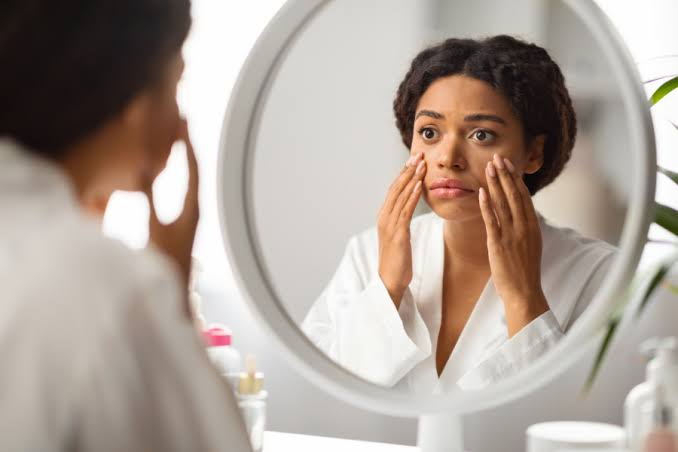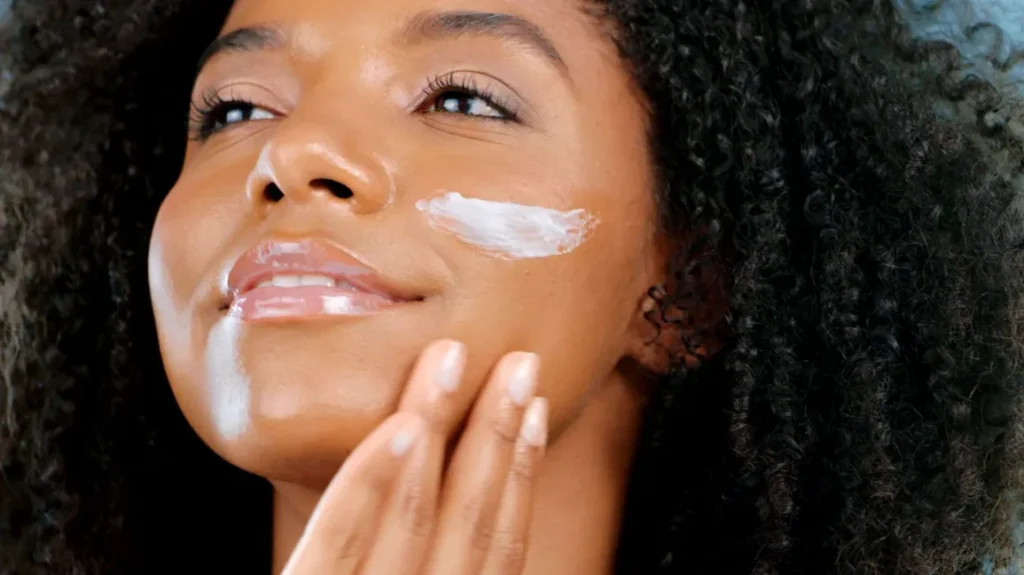



Makeup can enhance natural beauty, boost confidence, and express individuality. However, when applied or removed incorrectly, it can do more harm than good. Many people unintentionally damage their skin by making small but repeated mistakes in their makeup routine. From sleeping with makeup on to using expired products, these habits can cause clogged pores, irritation, and premature aging. Understanding these common mistakes — and how to fix them — is essential to keeping your skin healthy, smooth, and radiant beneath the makeup.
Makeup Mistakes That Damage Your Skin and How to Avoid Them
1. Skipping Skincare Before Makeup
One of the most common makeup mistakes is applying cosmetics directly onto unprepared skin. Without proper cleansing and moisturizing, your makeup won’t adhere well and may highlight dryness or texture.
Before applying any product, follow these steps:
-
Cleanse your face to remove oil and impurities.
-
Apply toner or essence to balance hydration.
-
Use moisturizer suited to your skin type.
-
Finish with sunscreen (SPF 30 or higher) to protect against UV damage.
Well-prepped skin creates a smoother canvas and extends makeup longevity.

2. Using Dirty Brushes and Sponges
Makeup tools accumulate dirt, oil, and bacteria over time. Using unclean brushes or sponges can cause acne, inflammation, and even infections.
Ideally, wash your brushes once a week using a gentle cleanser or baby shampoo. Sponges should be cleaned after every use or replaced monthly. Clean tools not only prevent breakouts but also ensure smoother application and more accurate color payoff.
3. Sleeping with Makeup On
This is perhaps the most damaging habit of all. Leaving makeup overnight clogs pores, traps oil and dirt, and disrupts the skin’s natural repair process. Over time, it leads to dullness, enlarged pores, and premature wrinkles.
No matter how tired you are, always remove your makeup before bed. Use a gentle makeup remover or micellar water followed by a mild cleanser. Allow your skin to breathe and recover overnight.
4. Applying Too Much Foundation or Concealer
Heavy foundation may create a flawless look temporarily, but it often clogs pores and causes breakouts. Less is more when it comes to base makeup.
Choose lightweight, breathable foundations or tinted moisturizers that suit your skin tone. Blend evenly using a damp sponge and build coverage gradually. Avoid over-layering concealer under your eyes, as it can emphasize fine lines and dryness.
Read more:
- The Importance of Nighttime Skincare for Healthy, Glowing Skin
- The Role of Nutrition in Achieving Healthy and Glowing Skin
5. Ignoring Product Expiry Dates
Many people hold onto makeup for too long, unaware that expired products can harbor bacteria and lose their effectiveness. Mascara and liquid eyeliner should be replaced every 3–6 months; foundations and lipsticks within 12–18 months.
Check the PAO symbol (Period After Opening) on packaging — it indicates how many months a product remains safe after being opened. Storing makeup in a cool, dry place also helps prolong its shelf life.
6. Using Products Not Suitable for Your Skin Type
Every skin type has different needs. Using products that don’t align with your skin can cause irritation, dryness, or excessive oil.
-
Oily skin: Opt for oil-free, mattifying foundations.
-
Dry skin: Choose hydrating, creamy formulas.
-
Sensitive skin: Stick to fragrance-free, hypoallergenic products.
Understanding your skin type allows you to choose makeup that enhances rather than harms.
7. Over-Exfoliating Before Makeup
Exfoliation smooths the skin’s surface, but overdoing it can strip natural oils and make your skin sensitive. Applying makeup afterward may sting or highlight irritation. Limit exfoliation to 2–3 times per week, and avoid doing it immediately before applying full-face makeup.

8. Using Too Much Powder
Setting powder helps control shine and lock in foundation, but excessive use can make the skin look cakey, dry, and aged. Lightly dust powder only on oily areas such as the T-zone. Opt for finely milled, translucent powders for a natural finish.
9. Neglecting to Remove Makeup from the Eyes and Lips Properly
The skin around your eyes and lips is delicate and requires special care. Tugging too hard or using harsh removers can cause fine lines and irritation.
Use a gentle, oil-based remover for waterproof mascara or eyeliner, and a hydrating balm or micellar water for lip makeup. Always follow up with eye cream and lip balm to restore moisture.
10. Not Cleaning Makeup Off After Workouts or Long Days
Sweat mixes with makeup, dirt, and oil, creating the perfect environment for bacteria. Always remove your makeup before exercising or at least use a light base if necessary. After your workout, cleanse your face thoroughly to prevent breakouts and irritation.
11. Sharing Makeup Products
Sharing makeup — especially lipsticks, eyeliners, or mascara — can spread bacteria and viruses like conjunctivitis or cold sores. Keep your makeup personal, and avoid testers at cosmetic stores unless they’re properly sanitized.
12. Forgetting Post-Makeup Skincare
After removing makeup, many people forget to nourish the skin. Cleansing alone isn’t enough. Follow up with a toner, hydrating serum, and moisturizer to rebalance the skin barrier. Night creams or sleeping masks can further restore hydration and support overnight repair.
Makeup should enhance your natural beauty, not compromise your skin’s health. Avoiding these common mistakes can make a dramatic difference in how your skin looks and feels. The key lies in maintaining balance — taking good care of your skin before, during, and after makeup application.
Remember: beautiful makeup starts with beautiful skin. When you prioritize cleanliness, product quality, and gentle application, your skin will thank you with a long-lasting, radiant glow that no foundation can replicate.