

Healthy, radiant skin is more than just a beauty trend—it is a reflection of a well-functioning skin barrier. While many people focus on expensive serums, anti-aging treatments, or whitening products, they often overlook the foundation of beautiful skin: a strong and healthy skin barrier. Understanding how to repair and protect this natural shield can dramatically improve your complexion, reduce sensitivity, and even slow visible signs of aging.
What Is the Skin Barrier?
The skin barrier, also known as the stratum corneum, is the outermost layer of the skin. Think of it as a protective wall made of skin cells held together by natural lipids such as ceramides, cholesterol, and fatty acids. This barrier performs several essential functions. It locks moisture inside the skin, prevents dehydration, blocks environmental pollutants, and protects against bacteria, allergens, and harmful UV exposure.
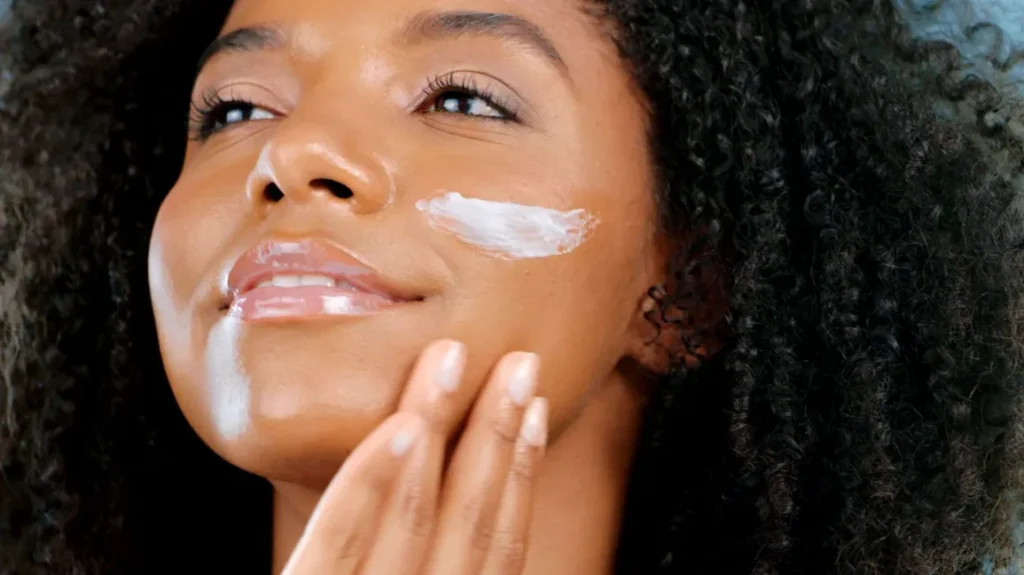
When the skin barrier is healthy, your complexion appears smooth, hydrated, and naturally glowing. However, when it becomes damaged, the skin quickly loses moisture and becomes more vulnerable to irritation.
Common Signs of a Damaged Skin Barrier
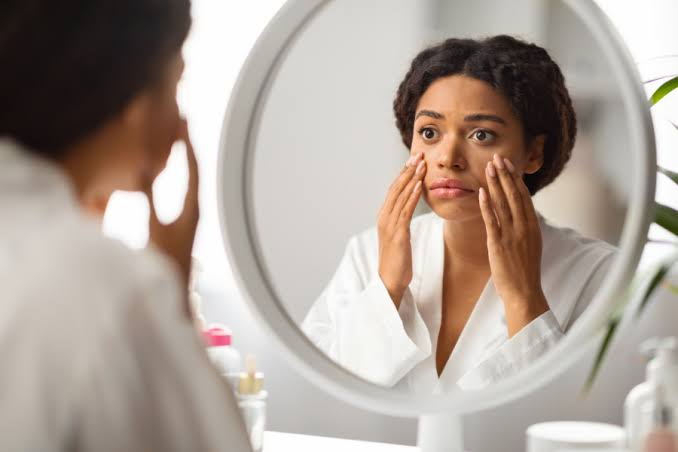
Many skincare enthusiasts unknowingly damage their skin by using too many active ingredients or following overly complicated skincare routines. Common symptoms of a weakened skin barrier include persistent dryness, redness, tightness, flaking, itching, sensitivity, and unexpected breakouts.
Some people mistakenly assume these symptoms indicate oily or acne-prone skin and respond by applying stronger exfoliants or drying products. Unfortunately, this often makes the condition even worse. A damaged skin barrier may also cause skincare products that previously worked well to suddenly sting or burn after application.
What Causes Skin Barrier Damage?
Several daily habits can gradually weaken your skin’s natural defense system.
Over-cleansing with harsh facial cleansers strips away beneficial oils that help maintain hydration. Excessive exfoliation using chemical acids or physical scrubs can remove healthy skin cells faster than the skin can regenerate.
Environmental factors also play an important role. Pollution, UV radiation, cold weather, low humidity, and air conditioning can all contribute to moisture loss.
Lifestyle choices are equally important. Poor sleep, chronic stress, dehydration, smoking, excessive alcohol consumption, and an unbalanced diet rich in processed foods may negatively affect skin health from within.
Read more: The Secret to Beautiful Hands and Nails
How to Repair Your Skin Barrier
Fortunately, repairing the skin barrier is usually possible with patience and the right skincare strategy.
The first step is simplifying your skincare routine. Instead of using multiple active ingredients at once, focus on gentle cleansing, hydration, and moisturization.
Choose a mild cleanser that removes dirt and sunscreen without disrupting the skin’s natural oils. Avoid products containing high concentrations of alcohol or strong fragrances if your skin is already sensitive.
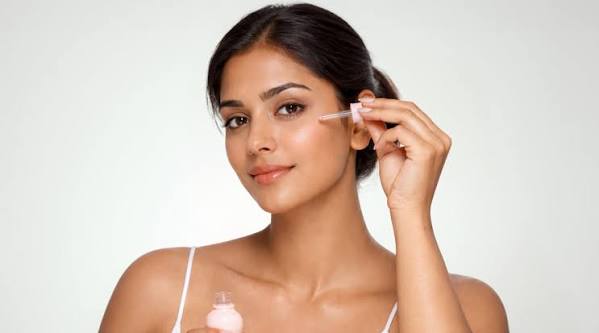
Hydration is another essential factor. Ingredients like hyaluronic acid, glycerin, panthenol, and beta-glucan help attract water into the skin while improving elasticity.
The most important products for barrier repair contain ceramides. These lipids naturally exist within healthy skin and help rebuild damaged areas. Combining ceramides with cholesterol and fatty acids creates an ideal environment for skin recovery.
Niacinamide is another excellent ingredient because it strengthens the barrier, reduces redness, regulates oil production, and improves uneven skin tone over time.
The Importance of Daily Sunscreen
Even the most effective skincare routine cannot protect your skin if you neglect sunscreen.
Ultraviolet radiation weakens collagen fibers, accelerates skin aging, increases pigmentation, and disrupts the skin barrier. Applying a broad-spectrum sunscreen with SPF 30 or higher every morning helps prevent ongoing damage while allowing the skin to repair itself.
Sunscreen should be considered an essential step rather than an optional one, regardless of whether you spend most of your day indoors or outdoors.
Nutrition for Stronger Skin
Beautiful skin starts from within. Nutrient-rich foods provide the building blocks necessary for healthy skin regeneration.
Healthy fats found in salmon, walnuts, flaxseeds, and avocados support the production of essential skin lipids. Antioxidants from colorful fruits and vegetables help combat oxidative stress caused by pollution and UV exposure.
Vitamin C plays a vital role in collagen synthesis, while vitamin E protects skin cells from free radical damage. Zinc supports wound healing and helps regulate inflammation, making it especially beneficial for acne-prone individuals.
Drinking sufficient water throughout the day also contributes to overall skin hydration, although moisturizers remain necessary to prevent water loss through the skin.

Can Weight Loss Affect Skin Health?
Many people pursuing weight loss notice changes in their skin during the process.
Rapid weight loss, restrictive dieting, or inadequate protein intake can reduce collagen production and cause the skin to appear dull or less firm. On the other hand, gradual weight management combined with balanced nutrition often improves skin clarity by reducing inflammation throughout the body.
Regular exercise increases blood circulation, delivering oxygen and nutrients to skin cells while supporting natural detoxification processes. This combination often results in a healthier, more vibrant complexion.
Maintaining muscle mass through adequate protein intake is equally important for preserving facial structure and minimizing the appearance of sagging skin during weight reduction.
Read more: The Importance of Exfoliation in Your Beauty Routine
Skincare Ingredients That Work Well Together
A simple yet effective skincare routine often delivers better results than using dozens of products simultaneously.
Morning routines may include a gentle cleanser, a hydrating serum containing hyaluronic acid, a ceramide-based moisturizer, and broad-spectrum sunscreen.
During the evening, cleansing should be followed by nourishing ingredients like niacinamide, peptides, or ceramide-rich moisturizers. Active ingredients such as retinol or exfoliating acids can be reintroduced gradually once the skin barrier has fully recovered.
Consistency matters far more than using expensive luxury skincare products.
Final Thoughts
Healthy skin is built on a strong foundation. Rather than chasing every new beauty trend, investing time in restoring and maintaining your skin barrier provides long-lasting benefits that no quick fix can match.
By combining gentle skincare, proper hydration, balanced nutrition, sun protection, and healthy lifestyle habits, you create the ideal environment for your skin to repair itself naturally. Whether your goal is glowing skin, anti-aging, acne prevention, or maintaining beauty during a weight loss journey, protecting your skin barrier should always be your first priority.
A resilient skin barrier not only improves your current complexion but also supports healthier, younger-looking skin for years to come.