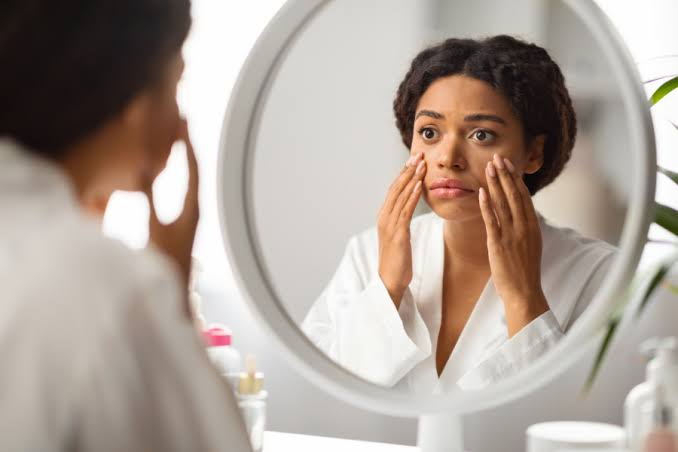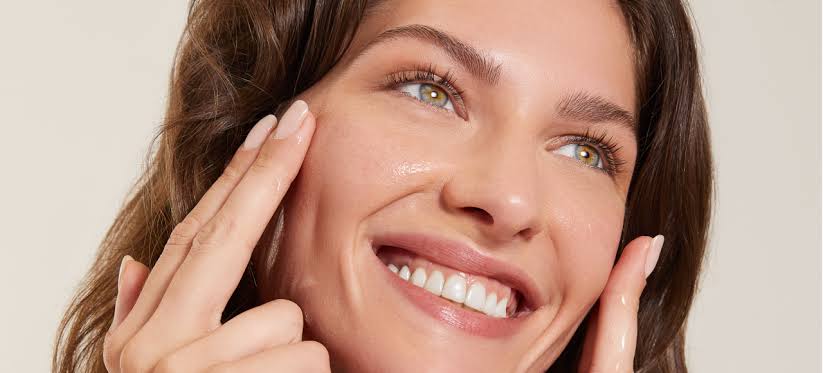


Achieving a healthy body weight is a goal shared by millions of people worldwide. However, many individuals discover that rapid weight loss can have an unexpected side effect—dull skin, reduced elasticity, premature wrinkles, and a tired appearance. While shedding excess weight can improve overall health and confidence, preserving your skin throughout the journey requires the right balance of nutrition, skincare, and healthy lifestyle habits.
Beautiful skin and sustainable weight loss are closely connected. Rather than focusing solely on the number on the scale, adopting a holistic approach allows you to transform your body while maintaining a youthful, radiant complexion.
Why Weight Loss Can Affect Your Skin
The skin is the body’s largest organ and depends on adequate nutrients, hydration, and collagen production to remain firm and healthy. When weight loss happens too quickly, the skin has less time to adapt to the body’s changing shape.
Crash diets often reduce calories dramatically, leading to deficiencies in essential vitamins, minerals, healthy fats, and protein. Without these nutrients, collagen synthesis slows down, making the skin appear thinner, drier, and less elastic.
Rapid fat loss may also contribute to facial volume loss, causing fine lines and sagging to become more noticeable. This is why many people feel they look older after following extreme dieting methods.
Fortunately, these effects are not inevitable. With proper planning, you can lose weight while supporting healthy skin from the inside out.
Choose Sustainable Weight Loss Over Crash Diets
Healthy weight management is not about starving your body. Sustainable fat loss occurs gradually, allowing your metabolism, muscles, and skin to adjust naturally.
A moderate calorie deficit combined with regular exercise is far more effective than restrictive eating plans. Slow and steady progress helps preserve lean muscle mass, maintain collagen production, and reduce the likelihood of loose skin.
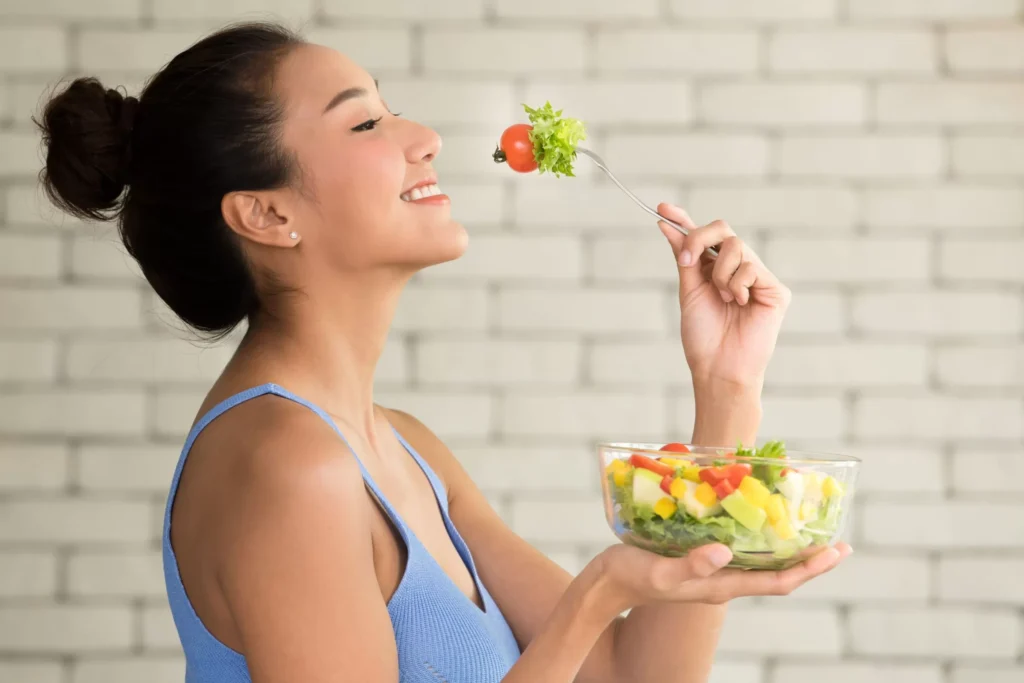
Instead of eliminating entire food groups, focus on balanced meals that provide protein, healthy fats, complex carbohydrates, vitamins, and antioxidants.
Read more: The Science of Skin Barrier Repair: Your Secret to Healthier, Younger-Looking Skin
Protein: The Building Block for Healthy Skin
Protein plays a critical role in both weight loss and skin health.
Collagen and elastin—the structural proteins responsible for firm, youthful skin—require adequate dietary protein for continuous repair and renewal.
Excellent protein sources include lean chicken, fish, eggs, Greek yogurt, tofu, beans, lentils, and cottage cheese. Consuming sufficient protein also helps maintain muscle mass during weight loss, creating a toned appearance rather than simply becoming thinner.
Experts generally recommend spreading protein intake evenly throughout the day rather than consuming it in a single meal.
Hydration Makes a Visible Difference
Water is one of the simplest yet most overlooked beauty tools.
Proper hydration supports circulation, nutrient delivery, and skin cell renewal. Although drinking water alone cannot completely eliminate dryness, dehydration often makes fine lines and dullness appear more pronounced.
Pair adequate water intake with hydrating skincare ingredients such as hyaluronic acid, glycerin, and panthenol to maximize moisture retention.
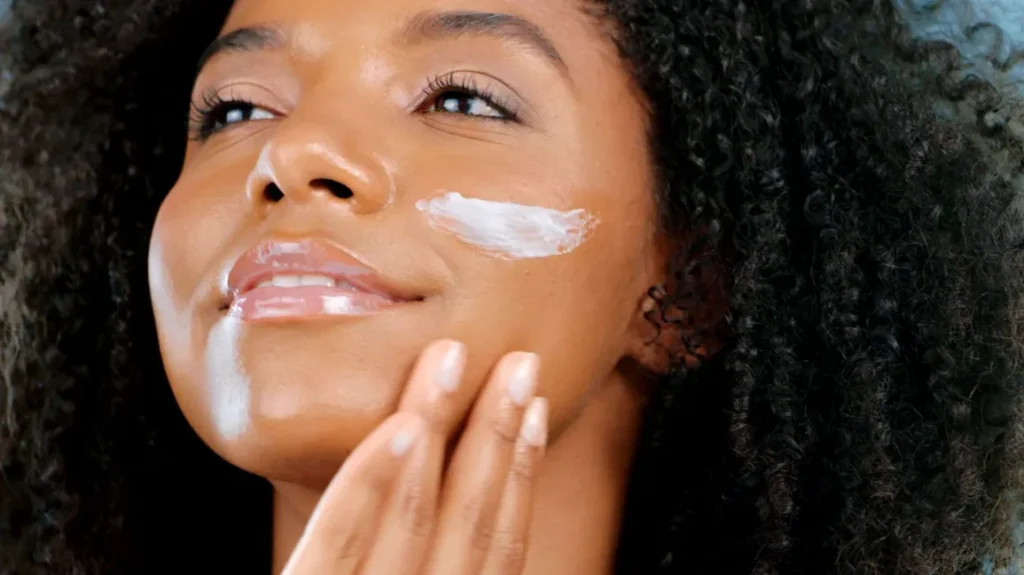
Applying moisturizer immediately after cleansing helps seal hydration into the skin and strengthens the skin barrier.
Vitamins That Support Skin During Weight Loss
Healthy nutrition provides numerous vitamins that contribute to glowing skin.
Vitamin C stimulates collagen production while protecting skin cells from oxidative stress. Citrus fruits, strawberries, kiwi, and bell peppers are excellent sources.
Vitamin A supports healthy skin renewal and may improve overall texture. Sweet potatoes, carrots, spinach, and kale naturally contain beta-carotene, which the body converts into vitamin A.
Vitamin E functions as a powerful antioxidant, helping defend skin against environmental damage. Nuts, seeds, and avocado are particularly rich in this nutrient.
Omega-3 fatty acids found in salmon, sardines, walnuts, and flaxseeds reduce inflammation while supporting the skin’s natural lipid barrier.
Exercise Benefits More Than Your Waistline
Regular physical activity offers significant beauty benefits beyond calorie burning.
Exercise improves blood circulation, allowing oxygen and nutrients to reach skin cells more efficiently. Sweating also supports the body’s natural detoxification processes, although cleansing the skin afterward is important to remove excess oil and impurities.
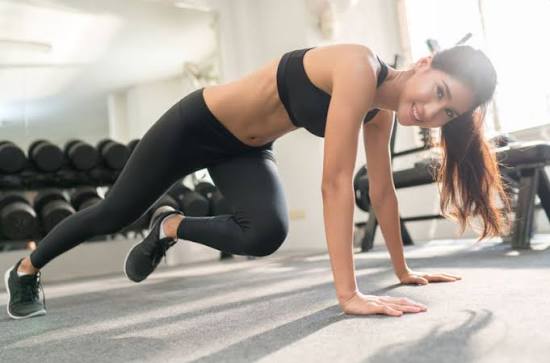
Strength training deserves particular attention during weight loss. Building lean muscle improves body composition while providing better support for the skin, reducing the appearance of sagging after fat loss.
Combining resistance training with moderate cardiovascular exercise creates one of the most effective strategies for achieving both fitness and aesthetic goals.
Skincare Essentials During a Weight Loss Journey
Your skincare routine should evolve alongside your changing body.
Gentle cleansing removes dirt and excess oil without disrupting the skin barrier. Moisturizers containing ceramides, peptides, and niacinamide help maintain elasticity and improve hydration.
Daily sunscreen remains one of the most powerful anti-aging products available. UV exposure accelerates collagen breakdown, making skin appear older regardless of body weight.
For those experiencing dryness or sensitivity during dieting, reducing harsh exfoliation and focusing on barrier repair can significantly improve overall skin health.
Read more: The Secret to Beautiful Hands and Nails
Sleep and Stress Matter More Than You Think
Many people underestimate the influence of sleep and stress on both weight management and skin quality.
Poor sleep disrupts hormones that regulate appetite while increasing cortisol levels. Elevated cortisol contributes to inflammation, acne flare-ups, and collagen degradation.
Adults should aim for seven to nine hours of quality sleep each night. Consistent sleep schedules support healthy metabolism while allowing the skin to repair itself overnight.
Stress management techniques such as meditation, yoga, walking outdoors, or deep breathing may indirectly improve both weight loss results and skin appearance.
Beauty Starts with Healthy Habits
There is no miracle cream capable of replacing healthy lifestyle choices.
The most impressive transformations occur when balanced nutrition, regular exercise, quality skincare, hydration, and adequate sleep work together. Instead of searching for quick fixes, focus on building habits that support your long-term health.
Weight loss should enhance your natural beauty rather than compromise it. By nourishing your body properly, protecting your skin barrier, and maintaining realistic expectations, you can enjoy a slimmer figure while preserving smooth, glowing, youthful-looking skin.
The journey toward better health is not simply about losing kilograms—it is about creating a stronger, healthier version of yourself that radiates confidence from the inside out.