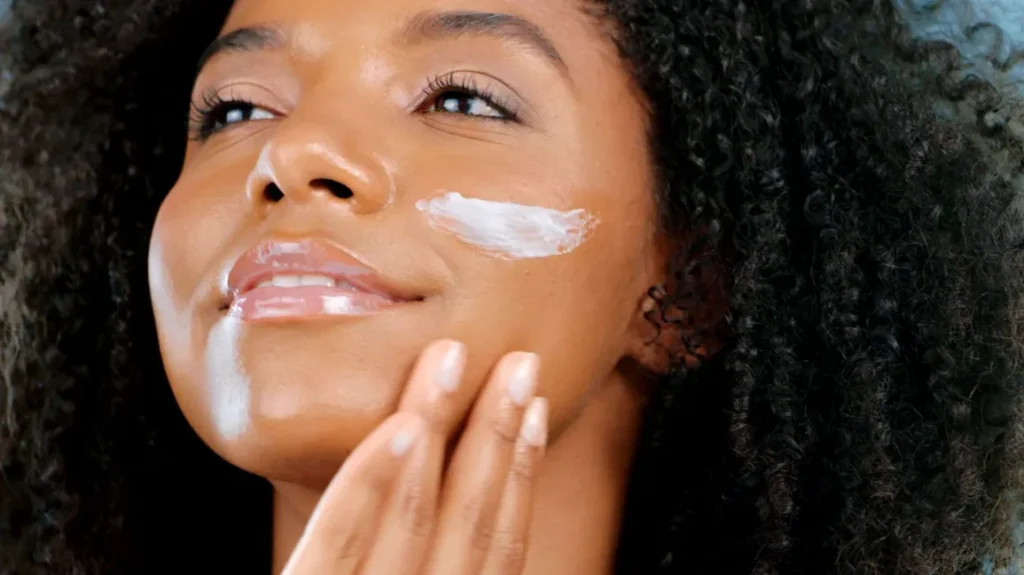


Beautiful skin and a healthy body are often the result of consistent lifestyle choices rather than quick fixes. While skincare products play an important role in protecting and nourishing the skin from the outside, nutrition has an even greater influence on how your skin looks, feels, and ages. At the same time, the foods you choose every day directly affect your metabolism, body composition, and ability to maintain a healthy weight.
Instead of following restrictive diets or relying solely on beauty supplements, building a nutrient-rich eating pattern can help you achieve glowing skin while supporting sustainable weight management. Understanding which foods provide the greatest benefits allows you to nourish your body from the inside out.
Why Nutrition Matters for Skin Health
Your skin is constantly renewing itself. Every day, millions of old skin cells are replaced with new ones, requiring a steady supply of vitamins, minerals, protein, healthy fats, and antioxidants.
When the body lacks these essential nutrients, skin regeneration slows down. This may lead to dryness, dullness, poor elasticity, acne flare-ups, and premature wrinkles.
Healthy eating also reduces inflammation throughout the body. Chronic inflammation has been linked to numerous skin concerns, including acne, eczema, rosacea, and accelerated skin aging.
Choosing whole, nutrient-dense foods creates the foundation for stronger, healthier skin.

Protein Supports Firm, Youthful Skin
Protein is one of the most important nutrients for maintaining healthy skin.
Collagen and elastin, the proteins responsible for skin firmness and elasticity, are continuously broken down and rebuilt. Without adequate dietary protein, collagen production becomes less efficient.
Excellent protein sources include chicken breast, turkey, fish, eggs, Greek yogurt, cottage cheese, tofu, lentils, beans, and lean beef.
Protein also promotes satiety, helping reduce unnecessary snacking while preserving lean muscle mass during weight loss. Maintaining muscle contributes to a toned appearance and supports a healthy metabolism.
Healthy Fats Keep Skin Hydrated
For many years, dietary fat was unfairly blamed for weight gain. Today, research clearly shows that healthy fats are essential for both overall health and beautiful skin.
Omega-3 fatty acids strengthen the skin barrier, reduce inflammation, and help maintain hydration. These healthy fats are found in salmon, sardines, mackerel, walnuts, flaxseeds, chia seeds, and hemp seeds.
Avocados provide monounsaturated fats along with vitamin E, which protects skin cells against oxidative stress caused by pollution and ultraviolet radiation.
Including healthy fats in each meal also improves the absorption of fat-soluble vitamins such as vitamins A, D, E, and K.
Read more: Why Your Skin Looks Dull: Causes, Solutions, and Daily Habits for a Natural Glow
Vitamin C Boosts Collagen Production
Vitamin C is one of the most important nutrients for healthy skin because it plays a direct role in collagen synthesis.
Without sufficient vitamin C, the body cannot efficiently produce collagen, leading to reduced skin firmness over time.
Citrus fruits, strawberries, kiwi, papaya, pineapple, broccoli, and red bell peppers are excellent natural sources.
Vitamin C also functions as a powerful antioxidant, protecting skin cells from damage caused by free radicals while promoting a brighter, more even complexion.
Colorful Vegetables Fight Skin Aging
One of the simplest nutritional guidelines for healthy skin is eating a variety of colorful vegetables every day.
Orange vegetables such as carrots and sweet potatoes contain beta-carotene, which the body converts into vitamin A. This nutrient supports healthy skin renewal and may improve overall texture.
Dark leafy greens including spinach, kale, and broccoli provide vitamins C, E, and K while supplying antioxidants that reduce oxidative stress.
Purple vegetables and berries contain anthocyanins, natural compounds known for their anti-inflammatory and anti-aging properties.
The more colorful your meals become, the greater the diversity of beneficial nutrients your skin receives.
Whole Grains Help Balance Blood Sugar
Highly processed carbohydrates often cause rapid spikes in blood sugar, increasing insulin levels that may contribute to acne and inflammation.
Replacing refined grains with whole grains provides a slower release of energy while supporting healthy digestion.
Brown rice, oats, quinoa, barley, and whole-grain bread contain fiber that helps regulate appetite and supports healthy weight management.
Stable blood sugar levels benefit not only metabolism but also overall skin appearance.

Hydration Is More Than Drinking Water
Although water is essential, hydration also comes from the foods you eat.
Cucumbers, watermelon, oranges, strawberries, celery, tomatoes, and lettuce contain high amounts of water that contribute to overall hydration while supplying valuable vitamins and minerals.
Combining adequate water intake with hydrating foods helps maintain skin elasticity and reduces the appearance of dryness.
Hydrated skin naturally reflects light more evenly, creating a healthy glow.
Foods That May Negatively Affect Your Skin
While no single food causes poor skin in everyone, some dietary habits are associated with increased inflammation and skin concerns.
Excessive sugar intake may accelerate collagen damage through glycation, making skin appear older over time.
Highly processed snacks often contain unhealthy fats, excessive sodium, and refined carbohydrates that contribute to water retention and inflammation.
Sugary beverages add unnecessary calories while providing little nutritional value.
Moderation remains the most practical approach. Rather than completely eliminating favorite foods, prioritize nutrient-rich meals most of the time.
Read more: The Ultimate Morning Skincare Routine for Healthy, Glowing Skin
Pair Healthy Eating with an Active Lifestyle
Nutrition alone cannot deliver optimal results without other healthy habits.
Regular exercise improves circulation, helping deliver oxygen and nutrients to skin cells. Strength training preserves lean muscle during weight loss, while cardiovascular exercise supports heart health and calorie expenditure.
Quality sleep allows overnight skin repair, and stress management reduces cortisol levels that may trigger acne and premature aging.
Daily skincare, especially cleansing, moisturizing, and sunscreen application, complements healthy nutrition by protecting the skin barrier from external damage.
The Bottom Line
The foods you eat each day influence far more than your waistline. Every meal provides an opportunity to support collagen production, strengthen the skin barrier, improve hydration, and reduce inflammation.
By choosing lean proteins, healthy fats, colorful vegetables, antioxidant-rich fruits, whole grains, and adequate water, you create the nutritional foundation for glowing skin and sustainable weight management.
True beauty begins with consistency rather than perfection. Small, healthy choices repeated daily can transform both your complexion and your overall well-being, allowing you to look and feel your best for years to come.