

Modern life is filled with deadlines, responsibilities, and constant digital distractions. While occasional stress is a normal part of life, chronic stress can silently affect nearly every system in the body—including your skin and your metabolism. Many people invest in premium skincare products or strict weight-loss plans without realising that unmanaged stress may be preventing them from achieving the results they want.
Healthy skin and successful weight management require more than good cosmetics and healthy meals. Emotional well-being plays a fundamental role in how your body functions, repairs itself, and responds to daily challenges. By understanding the connection between stress, skin health, and body weight, you can take meaningful steps toward improving both your appearance and your overall quality of life.
The Science Behind Stress
When the body experiences stress, it releases hormones such as cortisol and adrenaline. These hormones are essential during short-term emergencies because they prepare the body to respond quickly. However, when stress becomes chronic, elevated cortisol levels begin to interfere with normal bodily functions.
Long-term stress may weaken the immune system, disrupt sleep, increase inflammation, affect digestion, and interfere with hormone balance. All of these changes can influence both skin health and body composition.
Although stress cannot always be eliminated, learning how to manage it effectively can produce noticeable improvements in both physical health and appearance.
Why Stress Can Damage Your Skin
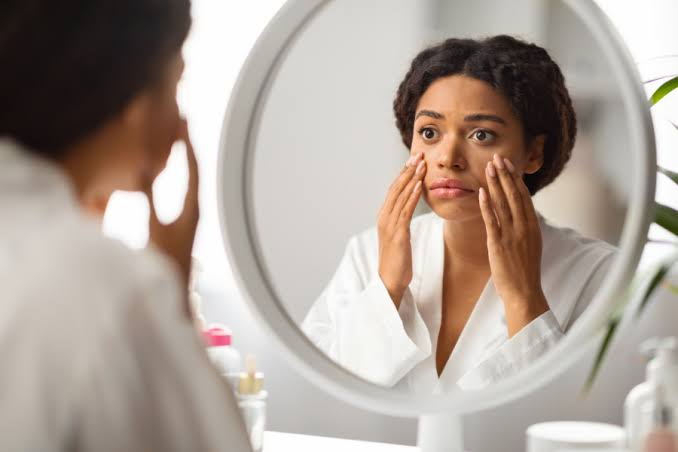
One of the first places chronic stress becomes visible is the skin.
High cortisol levels stimulate increased oil production, making acne breakouts more common. People who previously had clear skin may suddenly experience blemishes during periods of emotional pressure.
Stress also weakens the skin barrier, allowing moisture to escape more easily while increasing sensitivity to environmental irritants. This often leads to dryness, redness, itching, and irritation.
Inflammatory skin conditions such as eczema, psoriasis, and rosacea frequently worsen during stressful periods because the immune system becomes less balanced.
In addition, stress accelerates collagen breakdown, contributing to fine lines, wrinkles, and reduced skin elasticity over time.
The Relationship Between Stress and Weight Gain
Many people notice changes in body weight during stressful periods.
Elevated cortisol can increase appetite while encouraging cravings for high-calorie foods rich in sugar and unhealthy fats. These foods temporarily stimulate the brain’s reward system, creating short-term comfort but often leading to excess calorie consumption.
Stress may also reduce motivation to exercise while increasing emotional eating habits.
Poor sleep, which commonly accompanies chronic stress, further disrupts hormones that regulate hunger and fullness. As a result, people often feel hungrier while experiencing reduced satisfaction after meals.
Together, these factors make maintaining a healthy weight significantly more challenging.
Read more: The Complete Guide to Anti-Aging Skincare: How to Keep Your Skin Looking Younger Naturally
Sleep: Your Body’s Natural Recovery System
Quality sleep is essential for both skin repair and metabolic health.
During deep sleep, the body increases collagen production, repairs damaged tissues, and replaces old skin cells with new ones. At the same time, hormones involved in appetite regulation become balanced, helping support healthy eating habits.
When sleep is consistently interrupted, the skin often appears dull, dehydrated, and tired. Dark circles, puffiness, and slower healing become increasingly noticeable.
Adults should aim for seven to nine hours of uninterrupted sleep each night whenever possible.
Developing a relaxing bedtime routine can significantly improve both sleep quality and skin health.
Nutrition Can Help Reduce Stress
The foods you eat influence not only your physical health but also your emotional well-being.
Whole foods rich in vitamins, minerals, fibre, and healthy fats help stabilise blood sugar levels and provide sustained energy throughout the day.
Fatty fish such as salmon contain omega-3 fatty acids that support brain function while reducing inflammation.
Magnesium-rich foods including spinach, almonds, pumpkin seeds, and dark chocolate contribute to normal nervous system function.
Complex carbohydrates from oats, quinoa, brown rice, and whole-grain bread provide steady energy rather than rapid spikes and crashes in blood sugar.
Balanced nutrition supports healthier skin while making stress easier to manage.
Exercise Improves Both Mood and Appearance
Physical activity remains one of the most effective natural stress relievers.
Exercise stimulates the release of endorphins, chemicals often referred to as the body’s natural mood boosters. These compounds help reduce anxiety while improving emotional resilience.
Better circulation during exercise also delivers oxygen and nutrients to skin cells, supporting collagen production and creating a healthier complexion.
Strength training preserves lean muscle mass during weight management, while cardiovascular exercise supports heart health and calorie expenditure.
Even thirty minutes of walking, cycling, swimming, or yoga can produce meaningful benefits for both mental health and skin quality.

Create a Skincare Routine That Supports Stressed Skin
Stress can leave the skin more vulnerable, making gentle skincare especially important.
Use a mild cleanser that removes impurities without stripping natural oils.
Hydrating ingredients such as hyaluronic acid, glycerin, and panthenol help replenish moisture levels, while ceramides strengthen the skin barrier.
Niacinamide is particularly beneficial because it reduces redness, improves barrier function, and helps regulate excess oil production.
Daily sunscreen remains essential for protecting collagen against ultraviolet damage, especially when the skin is already under physiological stress.
Rather than using multiple aggressive treatments, focus on restoring balance and hydration.
Simple Stress Management Habits
Managing stress does not always require dramatic lifestyle changes.
Taking short walks outdoors, practising deep breathing, meditating, reading, listening to music, or spending time with family and friends can all reduce emotional tension.
Limiting excessive screen time before bed may also improve sleep quality while lowering mental fatigue.
Creating small moments of relaxation throughout the day often produces cumulative long-term benefits.
Consistency is more valuable than perfection.
Read more: The Best Foods for Healthy Skin and Sustainable Weight Loss
A Holistic Approach to Beauty and Wellness
Healthy skin and healthy weight are closely connected to emotional well-being. While skincare products, nutritious meals, and exercise all play important roles, managing stress provides the foundation that allows these healthy habits to work more effectively.
Instead of treating beauty and wellness as separate goals, view them as interconnected aspects of overall health. Supporting your mental well-being, prioritising quality sleep, nourishing your body with wholesome foods, staying physically active, and maintaining a gentle skincare routine create lasting improvements that extend far beyond appearance.
When your body and mind work together in balance, healthy skin, sustainable weight management, and greater confidence naturally follow.