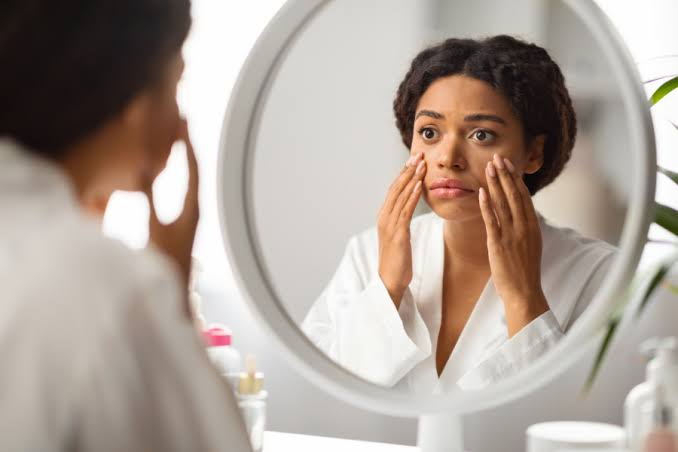


In the pursuit of healthy, glowing skin and a youthful appearance, most people often face a common question — should you invest in professional spa treatments or stick with a well-structured at-home skincare routine? Both approaches have unique benefits, and the best results often come from understanding how to balance them. This article explores the advantages of each, the ideal frequency of treatments, and how to create harmony between professional and home-based beauty care.
Spa Treatments vs. At-Home Care: What Works Best?
1. Understanding Spa Treatments
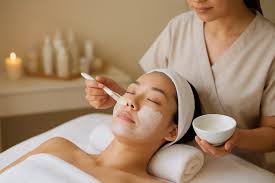
Spa treatments are professional skincare and wellness services performed by trained estheticians using specialized equipment and high-quality products. They go beyond basic cleansing and moisturizing, providing deeper nourishment and rejuvenation.
Common spa services include:
-
Facials: Deep cleansing, exfoliation, extraction, and hydration to improve texture and tone.
-
Chemical peels: Help remove dead cells, lighten pigmentation, and stimulate collagen.
-
Microdermabrasion: Smoothens the skin and refines pores by exfoliating with microcrystals.
-
Massage therapy: Improves circulation, relieves stress, and promotes skin elasticity.
-
Body treatments: Such as scrubs, wraps, and detoxifying sessions to enhance smoothness and glow.
Spa treatments can deliver visible, professional-level results in a short period — ideal for those seeking immediate improvements before special occasions or dealing with specific skin concerns.
2. The Advantages of Spa Treatments
1. Professional Expertise: Licensed estheticians can analyze your skin accurately, recommend suitable treatments, and adjust techniques according to your skin’s needs.
2. Advanced Technology: Many spas use high-end equipment like LED therapy, laser rejuvenation, or radiofrequency tightening, which can’t be replicated at home.
3. Deep Relaxation: Spa environments are designed to reduce stress — the calming ambiance, soothing scents, and skilled touch can benefit both your body and mind.
4. Accelerated Results: Certain concerns, such as hyperpigmentation or acne scars, may respond faster to professional treatments than over-the-counter products.
However, spa services require time and financial investment, and results may not last long if not supported by consistent home care.
3. The Power of At-Home Care
Daily at-home care forms the foundation of long-term skin health. While spa treatments provide instant results, your daily routine determines whether those results are sustained.
An effective at-home regimen includes:
-
Cleansing: Removing dirt, makeup, and oil buildup twice a day.
-
Toning: Restoring pH balance and tightening pores.
-
Moisturizing: Hydrating the skin barrier to maintain softness and elasticity.
-
Sun protection: Applying SPF daily to prevent damage and premature aging.
-
Weekly care: Using exfoliators, masks, or serums that target your unique concerns.
At-home care empowers you to maintain healthy skin consistently without depending solely on professional services.
4. Advantages of At-Home Care
1. Consistency: Regular daily care keeps the skin clean, balanced, and hydrated between spa visits.
2. Cost-Effective: Quality skincare products are an investment, but they are still more affordable than frequent spa treatments.
3. Convenience: You can care for your skin anytime, anywhere — no appointments or travel needed.
4. Personalized Control: You can adjust products or techniques depending on how your skin feels each day.
That said, not all at-home care yields the same results. Overuse of certain products, incorrect techniques, or inconsistent routines can limit effectiveness.
5. Finding the Right Balance
The truth is — the best beauty results come from combining both approaches. Spa treatments can enhance, reset, and boost the results of your home regimen, while daily care helps maintain and extend the benefits of professional sessions.
Here’s how to create a balanced routine:
-
Visit the spa every 4–6 weeks for a professional facial or targeted treatment.
-
Follow a consistent at-home routine tailored to your skin type.
-
Consult your esthetician after each spa visit to learn how to care for your skin between appointments.
-
Avoid overlapping treatments (e.g., chemical peels at home right after a spa peel) to prevent irritation.
This balance allows you to enjoy the best of both worlds — professional precision and daily consistency.
6. When to Choose Spa Over At-Home Care
Certain skin concerns require the advanced tools and expertise of professionals:
-
Persistent acne or acne scars
-
Deep wrinkles or loss of elasticity
-
Stubborn hyperpigmentation or sun damage
-
Clogged pores that home exfoliation can’t clear
For these cases, spa treatments can deliver noticeable improvements safely and effectively.
7. When At-Home Care Is Enough
If your goal is maintenance and prevention, a good at-home routine may be sufficient. For example:
-
Keeping the skin hydrated and protected daily
-
Preventing clogged pores and dullness
-
Maintaining results after professional treatment
By being consistent and mindful, you can achieve glowing, youthful skin without constant spa visits.
The debate between spa treatments and at-home care shouldn’t be about choosing one over the other — it’s about finding synergy. Professional treatments provide deep rejuvenation, while home care ensures long-term skin health.
The golden rule: Treat the spa as a reset button, and your daily routine as maintenance. Together, they create the foundation for lasting beauty — skin that not only looks radiant but also feels healthy, balanced, and alive.