

Water is often referred to as the essence of life — and for good reason. It plays a vital role in maintaining the health of your body, skin, and hair. While skincare products and cosmetics can enhance your appearance externally, true beauty starts from within. Adequate hydration is one of the most powerful, natural ways to achieve glowing skin, soft hair, and overall vitality. This article explores how water impacts your beauty, signs of dehydration, and tips to ensure your body always stays hydrated.
Hydration and Beauty: How Water Affects Your Skin and Hair
1. The Science Behind Hydration and Skin Health
Your skin is the body’s largest organ, and it’s composed of nearly 64% water. When the body lacks sufficient hydration, the skin’s outer layer (epidermis) can lose elasticity and moisture, resulting in dryness, tightness, and dullness. Proper hydration, on the other hand, ensures that your skin cells function efficiently, maintaining smoothness, plumpness, and radiance.
Hydrated skin is also more resilient to environmental stressors like UV exposure, pollution, and temperature changes. It repairs itself faster, retains elasticity, and prevents premature aging.
In contrast, dehydration can make fine lines and wrinkles appear more prominent and cause flaky or irritated patches — issues that no makeup can fully cover.
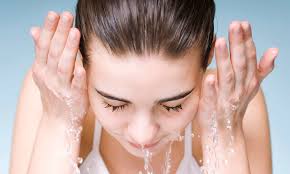
2. How Hydration Affects Hair Health
Just like your skin, your hair also depends on water for strength and shine. The hair shaft contains moisture that keeps it flexible and prevents breakage. When the body is dehydrated, the hair becomes dry, brittle, and more prone to split ends.
Proper hydration ensures the scalp — the foundation of healthy hair — remains balanced and nourished. A well-hydrated scalp supports strong hair follicles, reduces dandruff, and promotes growth.
Using hydrating hair masks or oils can help lock in moisture externally, but drinking enough water is essential to nourish hair from the inside out.
3. The Connection Between Hydration and Detoxification
Water helps flush out toxins and impurities from the body through sweat, urine, and natural metabolic processes. When you are dehydrated, the body retains toxins longer, which can manifest on your skin as acne, dullness, or irritation.
Drinking sufficient water daily enhances circulation, supports nutrient delivery to skin cells, and maintains a clear, radiant complexion. It’s one of the simplest yet most effective forms of detoxification your body can perform naturally.
Xem thêm:
- Spa Treatments vs. At-Home Care: What Works Best?
- The Power of Sleep and Stress Management in Beauty
4. Signs of Dehydration You Shouldn’t Ignore
Many people mistake thirst for hunger or simply overlook the early signs of dehydration. Common symptoms include:
-
Dry, tight, or flaky skin
-
Dull complexion or uneven texture
-
Chapped lips
-
Increased hair breakage
-
Fatigue or headaches
-
Decreased urine output or dark-colored urine
If you notice any of these, it’s a sign that your body needs more fluids — not just for health but also for maintaining your natural beauty.
5. How Much Water Do You Really Need?
The general guideline is to drink at least 2 liters (about 8 glasses) of water daily. However, individual needs vary based on age, activity level, and environment. For instance, those who exercise frequently or live in hot climates may require more.
You can also check your hydration by observing the color of your urine — pale yellow indicates good hydration, while darker shades suggest dehydration.
6. Boosting Hydration Through Food
Hydration isn’t limited to water intake alone. Many fruits and vegetables have high water content and contribute significantly to daily hydration. Some excellent choices include:
-
Cucumbers (96% water)
-
Watermelon (92% water)
-
Strawberries and oranges (over 90% water)
-
Lettuce and celery (95% water)
These foods not only hydrate but also provide essential vitamins, antioxidants, and minerals that support skin elasticity and overall health.

7. External Hydration: Skincare and Haircare Tips
Hydrating from within is crucial, but external care helps lock in that moisture. Consider these steps:
For Skin:
-
Use a gentle, hydrating cleanser that doesn’t strip natural oils.
-
Apply a hyaluronic acid serum to attract and retain moisture.
-
Seal hydration with a moisturizer containing ceramides or glycerin.
-
Mist your skin throughout the day with thermal water spray to refresh it.
For Hair:
-
Avoid overwashing, as it removes natural oils.
-
Use a hydrating shampoo and conditioner free of sulfates.
-
Apply deep-conditioning masks once a week.
-
Minimize heat styling to prevent moisture loss.
These practices maintain a balanced moisture barrier and enhance the effectiveness of internal hydration.
8. The Role of Lifestyle in Hydration
Your habits can significantly influence how well your body retains moisture. To optimize hydration:
-
Limit caffeine and alcohol, as they act as diuretics.
-
Exercise regularly to boost circulation.
-
Maintain consistent sleep patterns — your body repairs and rebalances fluids while you rest.
-
Use a humidifier in dry environments to prevent dehydration through the skin.
Maintaining these routines supports not just external beauty but overall wellness.
Hydration is the foundation of true beauty. No skincare routine or expensive treatment can replace the radiance that comes from a well-hydrated body. Drinking enough water, eating hydrating foods, and maintaining moisture through proper skincare and haircare are the keys to lasting youthfulness.
When your body is hydrated, your skin glows naturally, your hair becomes shinier, and your entire appearance reflects vitality and health. In essence, water is your most powerful and affordable beauty elixir.